

How Honda Marked a New Racing Era in Mexico 60 Years After Its First F1 Win
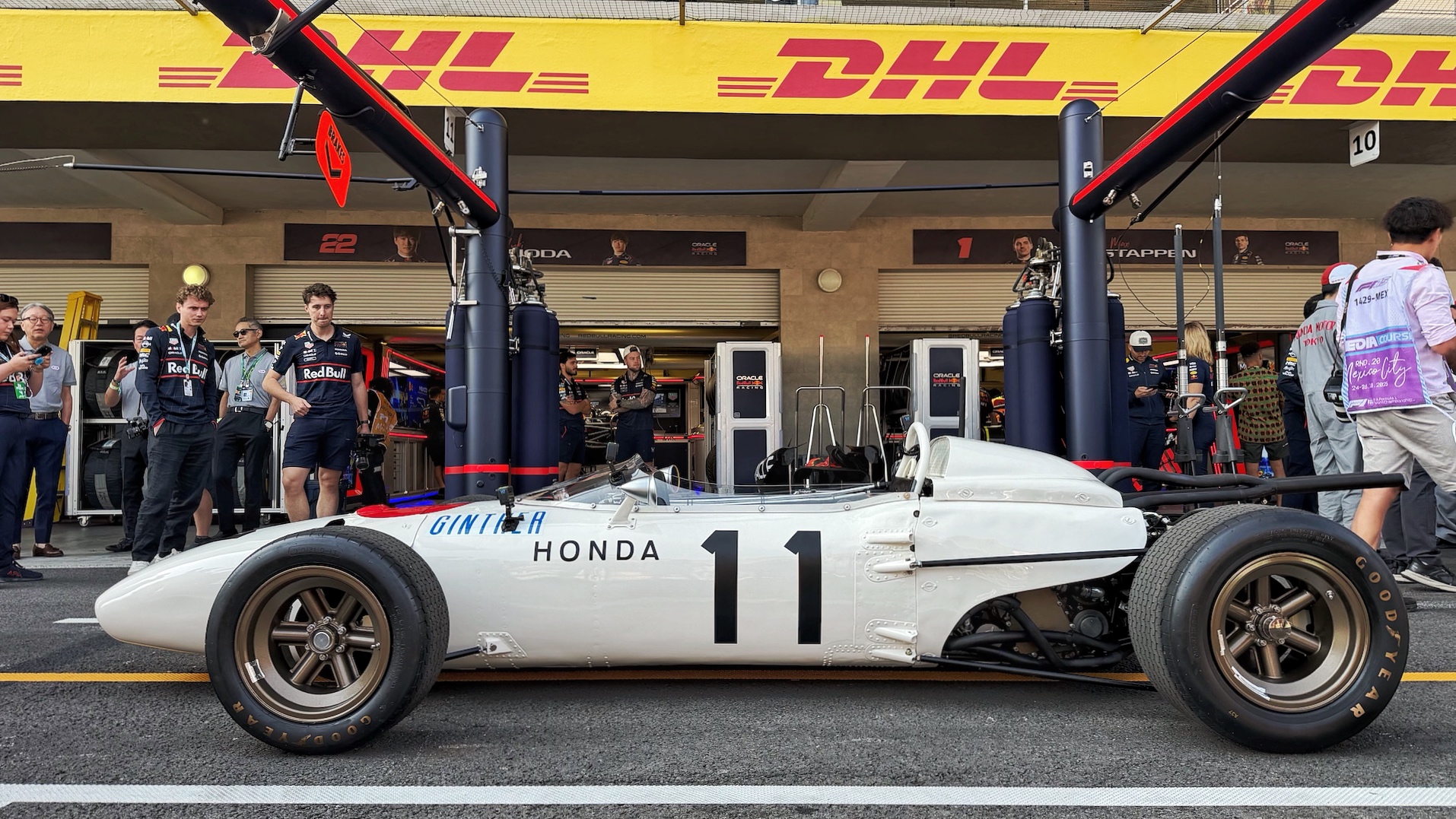
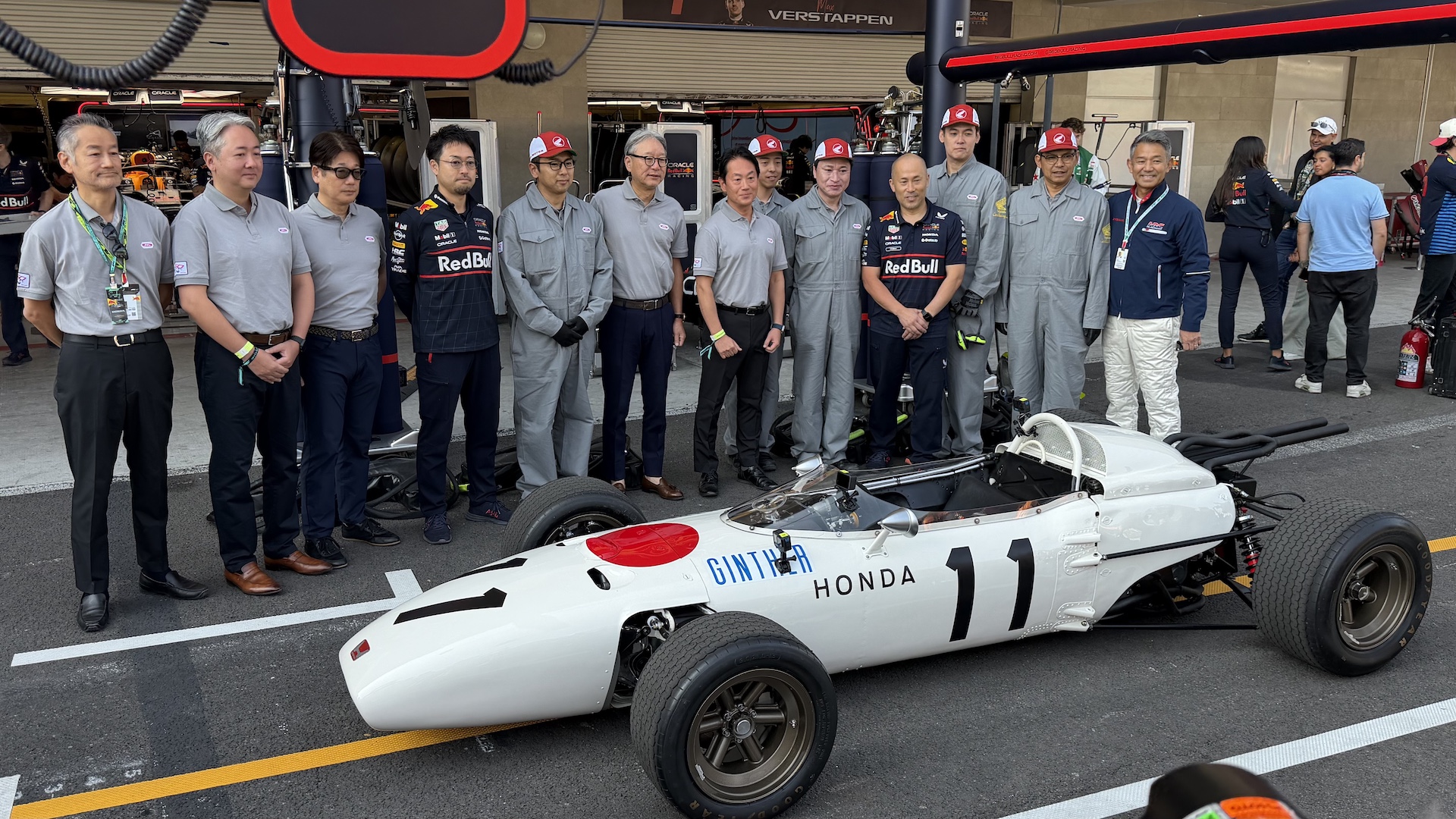
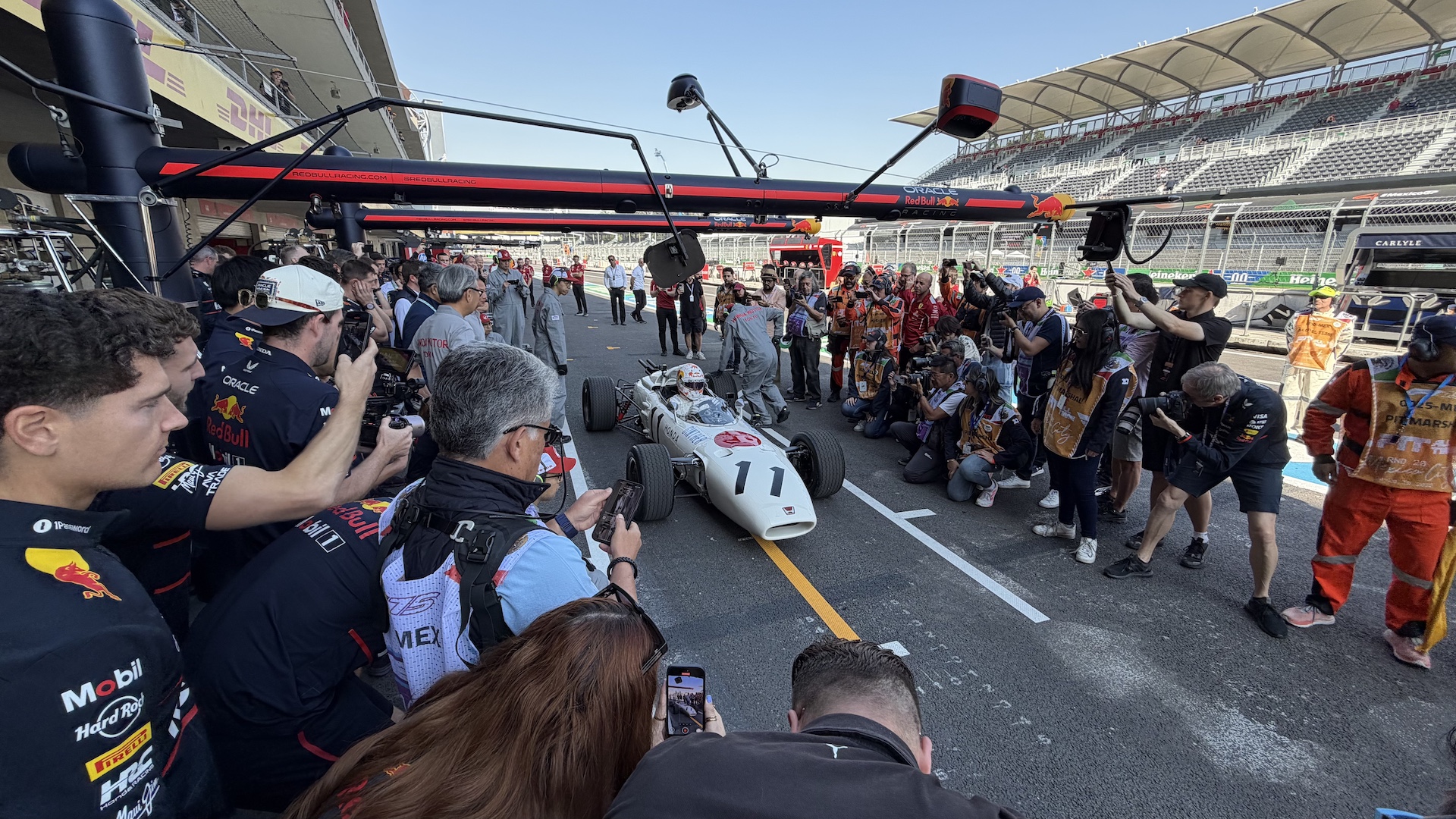
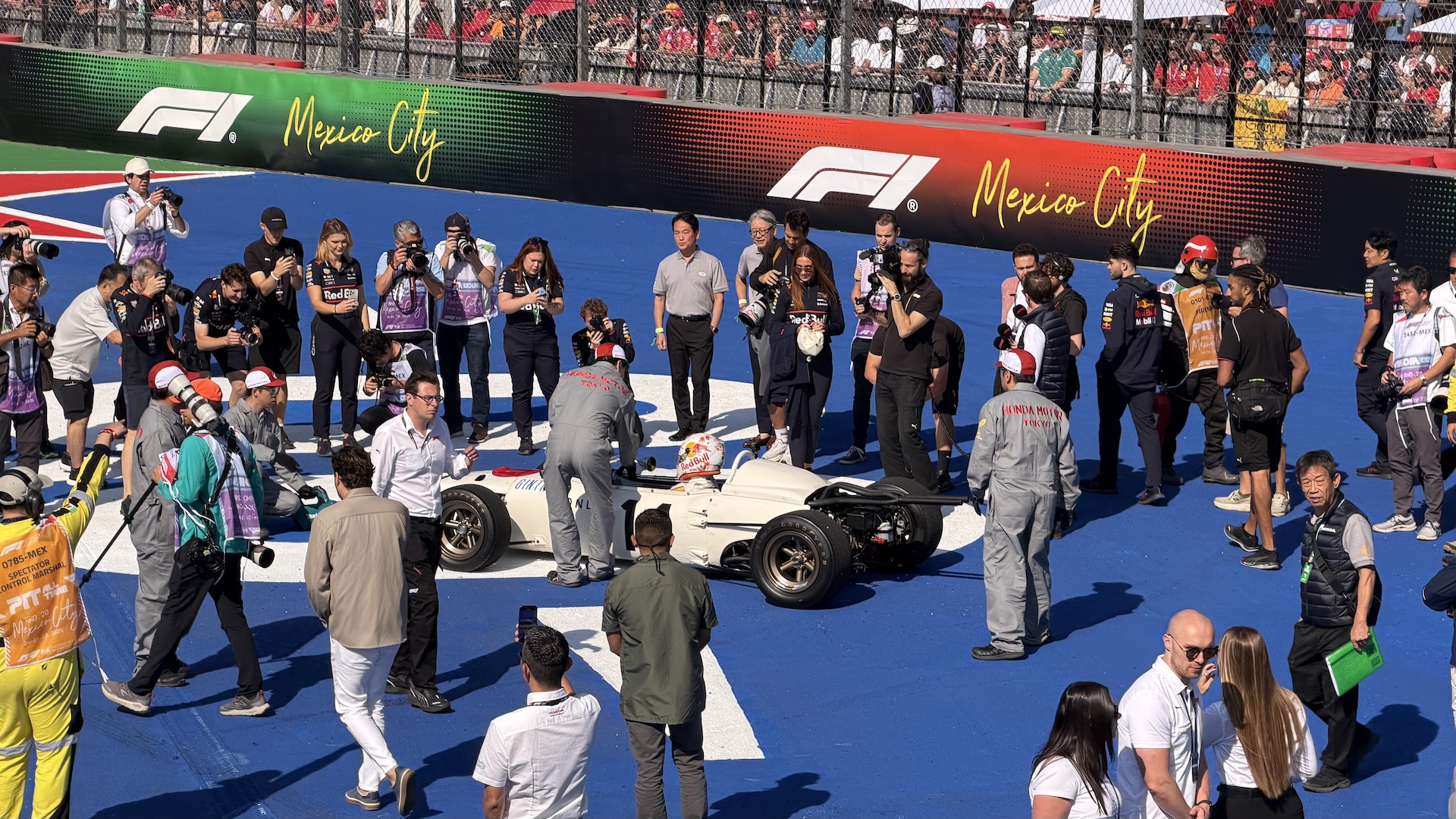
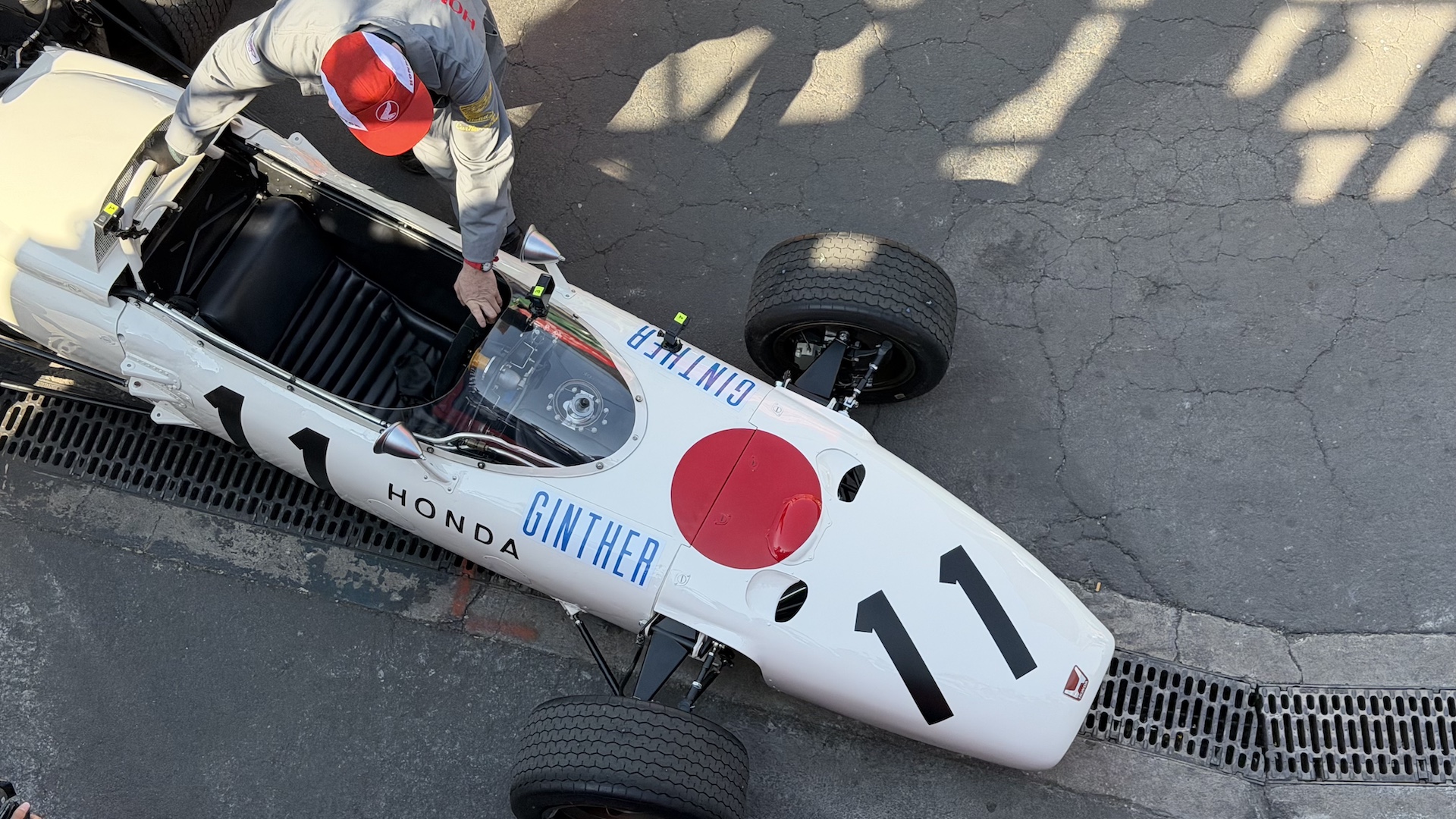
Parked outside Yuki Tsunoda‘s pit box at the 2025 Mexico City Grand Prix was a Formula 1 car wildly different from his standard-issue RB21. Dressed in Championship White and proudly wearing a Japanese flag livery, the number 11, and Richie Ginther’s name, the 1965 Honda RA272 sat motionless on race day morning as if it were adjusting to the oxygen-poor air of the Mexican capital. A crowd of photographers was forming around it, all of them waiting for the 1.5-liter V12 to scream into life.
The RA isn’t a stranger to Mexico City’s Autódromo Hermanos Rodríguez, nor is it immune to its performance-hampering characteristics due to its elevation of 7,350 feet above sea level. (That’s over 2,000 feet higher than Denver, by the way.) The low and slender race car knows all too well what it takes to compete and win in such an environment, having done so before, exactly 60 years ago. Well, 60 years and two days, to be precise. This is F1, after all.
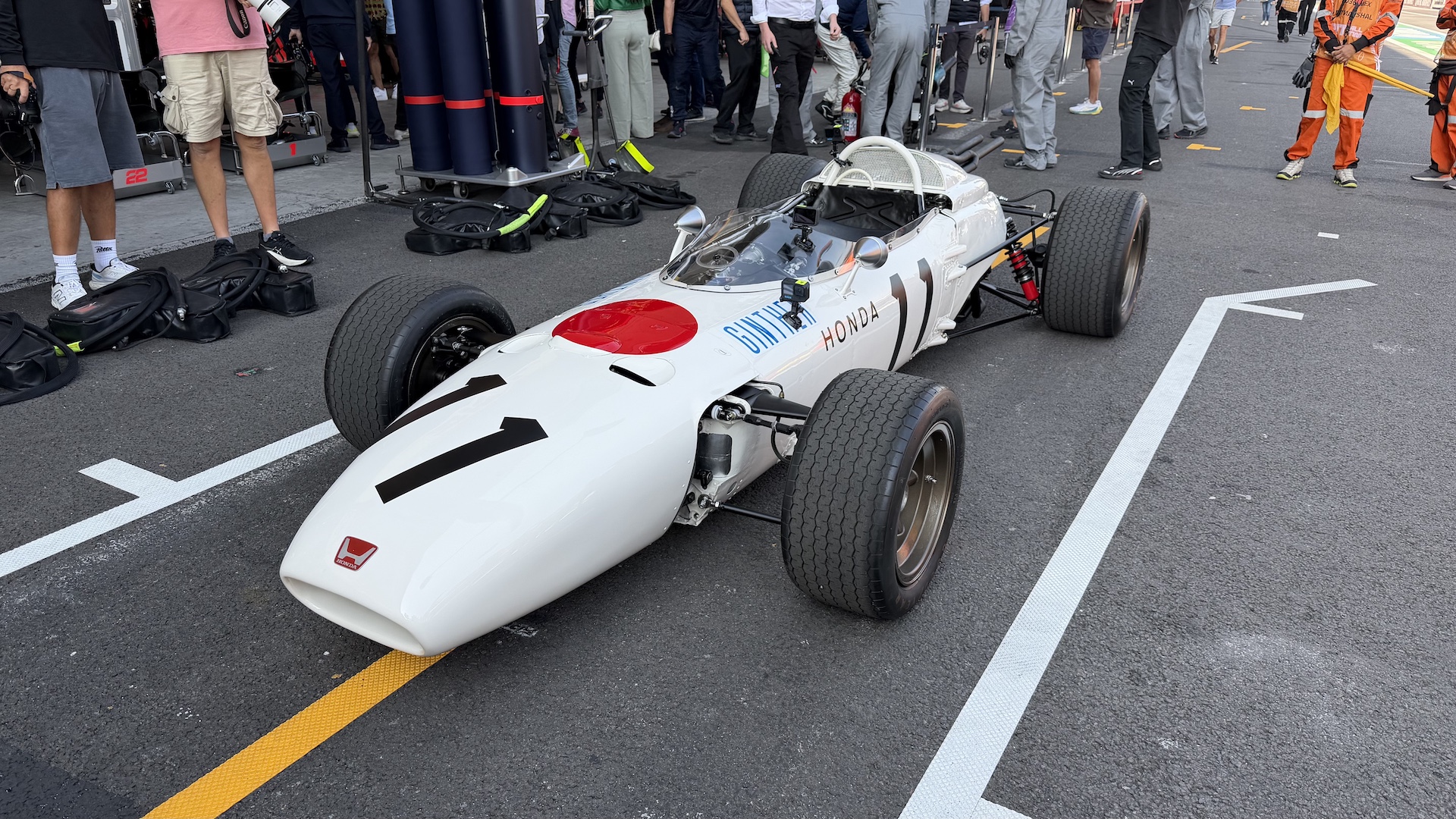
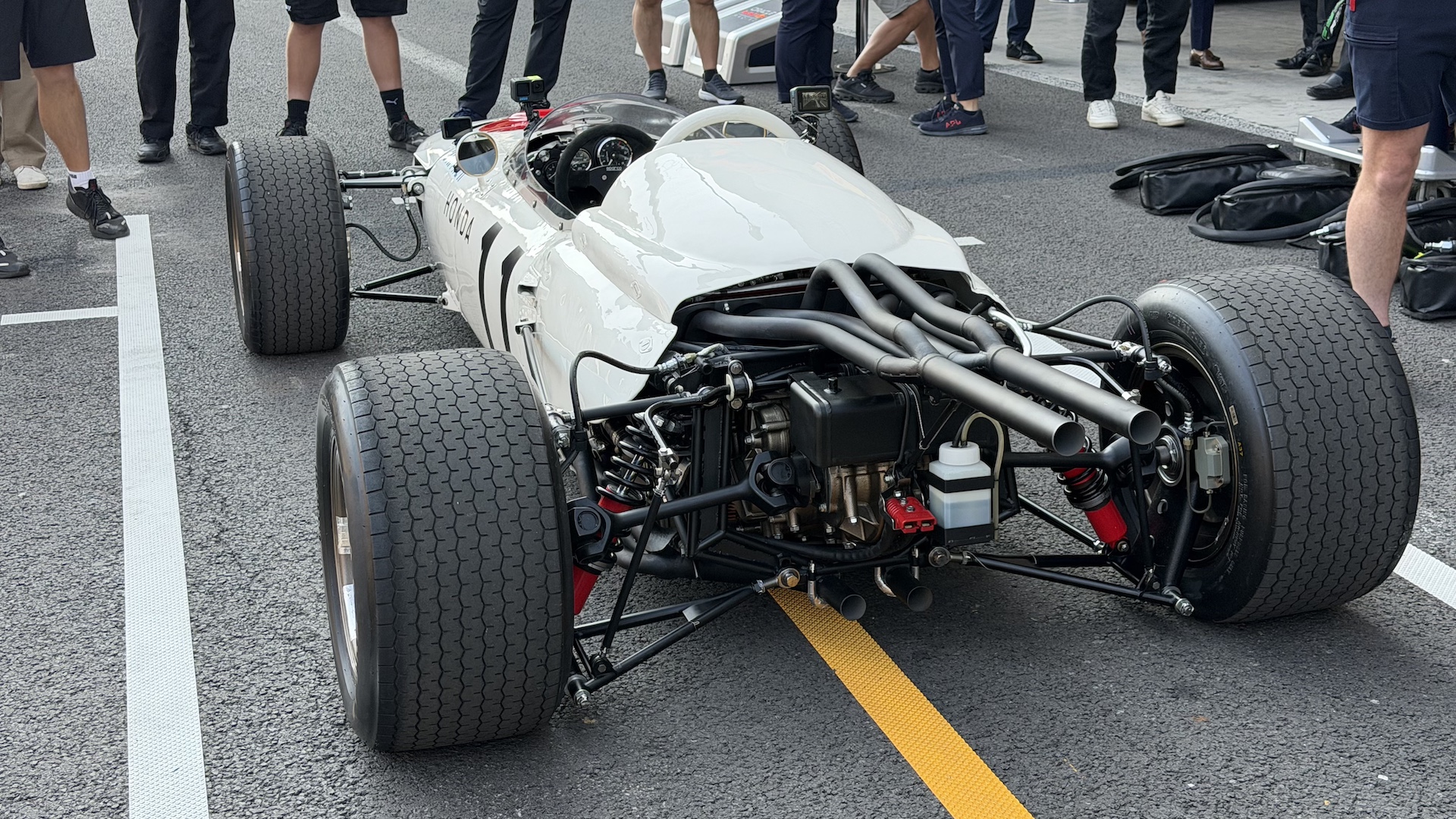
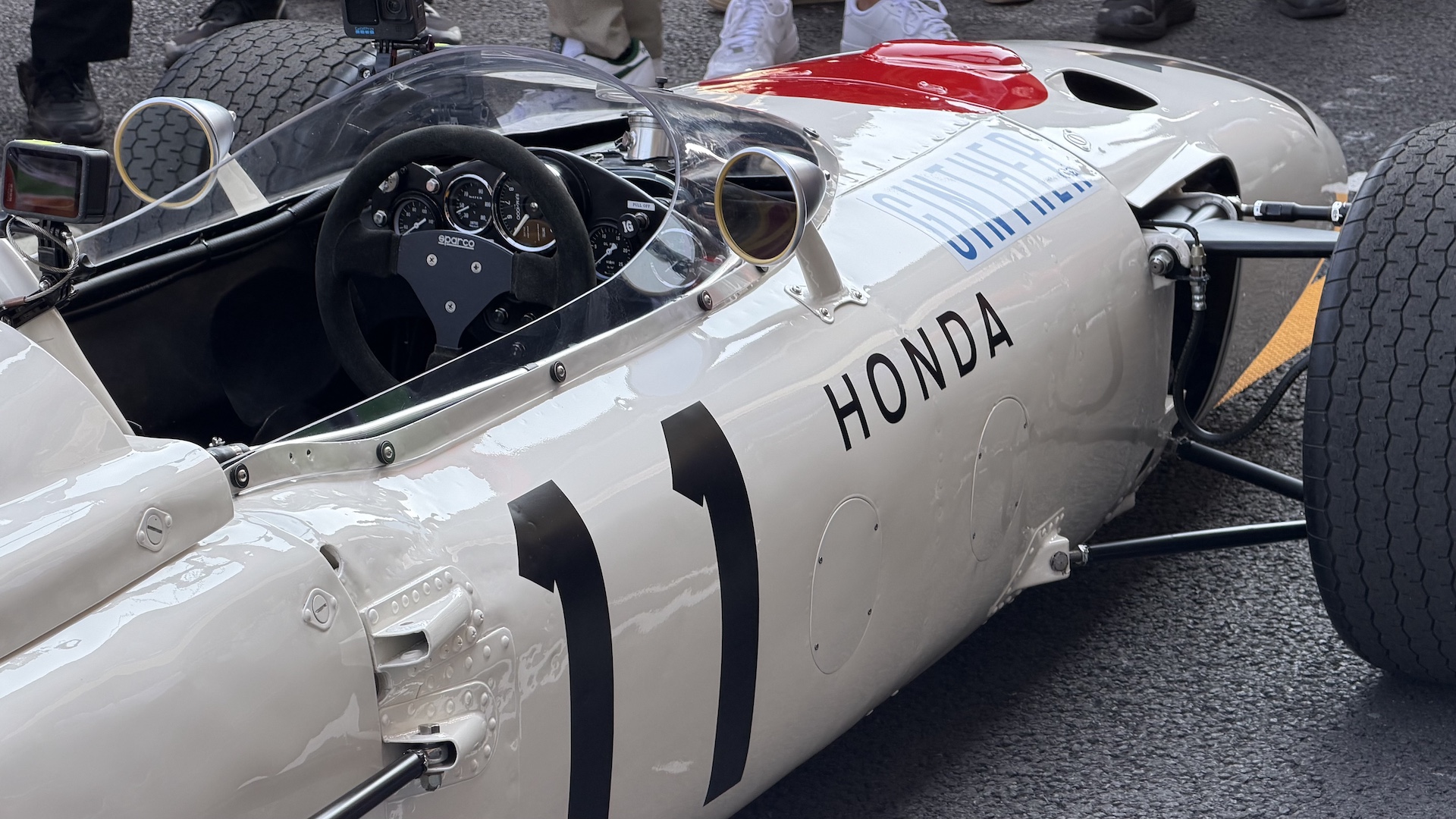
Back on October 24, 1965, American driver Richie Ginther piloted the RA272 to victory at the Mexican Grand Prix, earning Honda its first-ever victory in F1. It was the automaker’s second year in the championship, and F1’s first win by a Japanese manufacturer. Somewhere, in some book of destiny, it was written that 60 years later, that same car would travel back to the land of the Aztecs to celebrate with a three-day fiesta and culminate with a heartfelt exhibition lap on the same tarmac where it made history.
Like Tsunoda, this wasn’t my first face-to-nose encounter with the RA, nor was it my first time at the Autódromo. I first met Honda’s most prized possession at Laguna Seca last year, where I got up close and personal with it and its crew of dedicated mechanics, who reside in Japan but never leave the RA’s side while it’s on tour. It was one of my favorite days on the job, and you can read about the guardians of the RA272 here.

Likewise, Mexico City’s Autódromo Hermanos Rodríguez is a place dear to me, as I was born just down the road and spent a great deal of time there as a child during the late 1980s and throughout the 1990s—arguably the golden years of motorsport in Mexico until this recent decade.
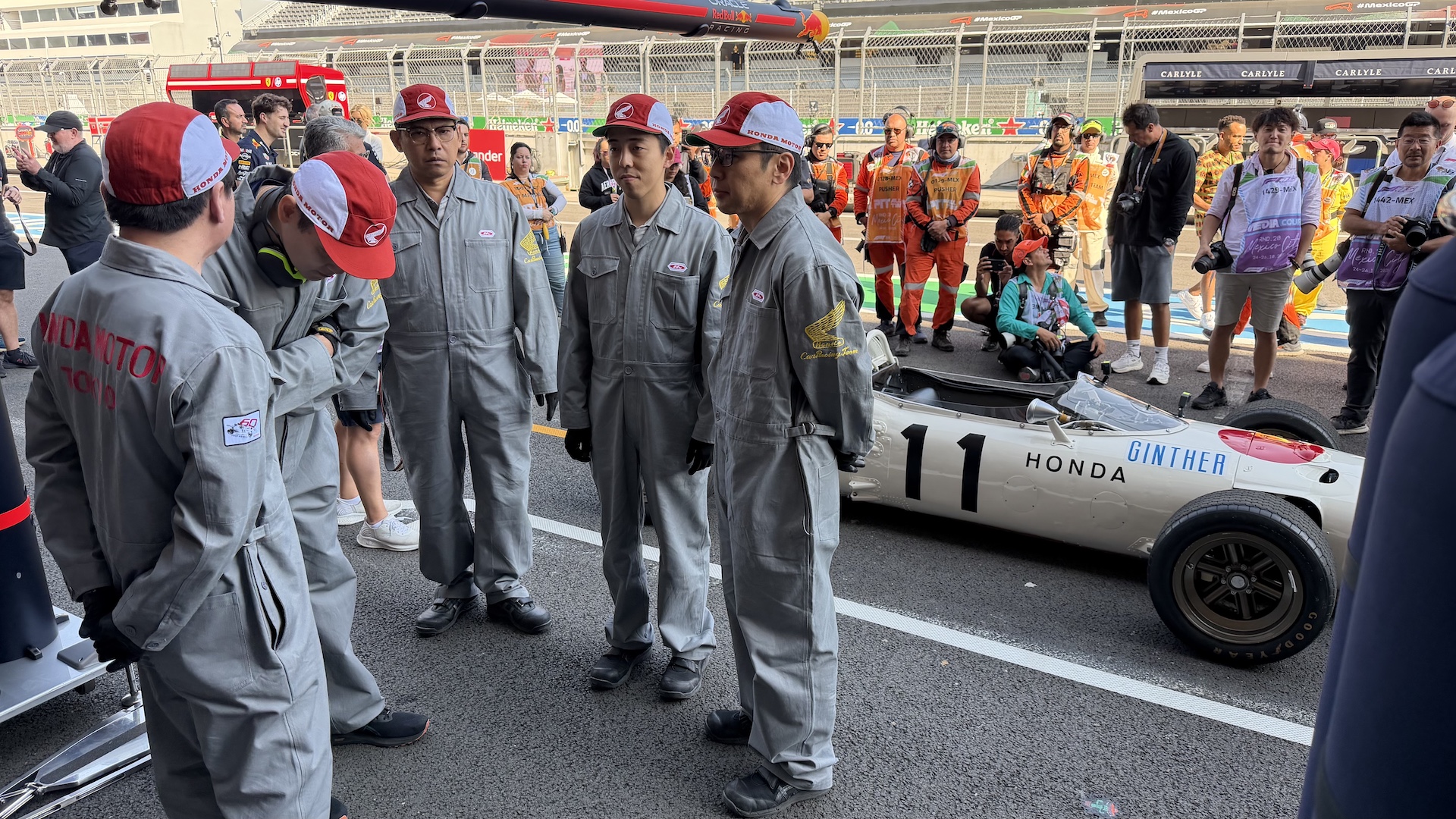
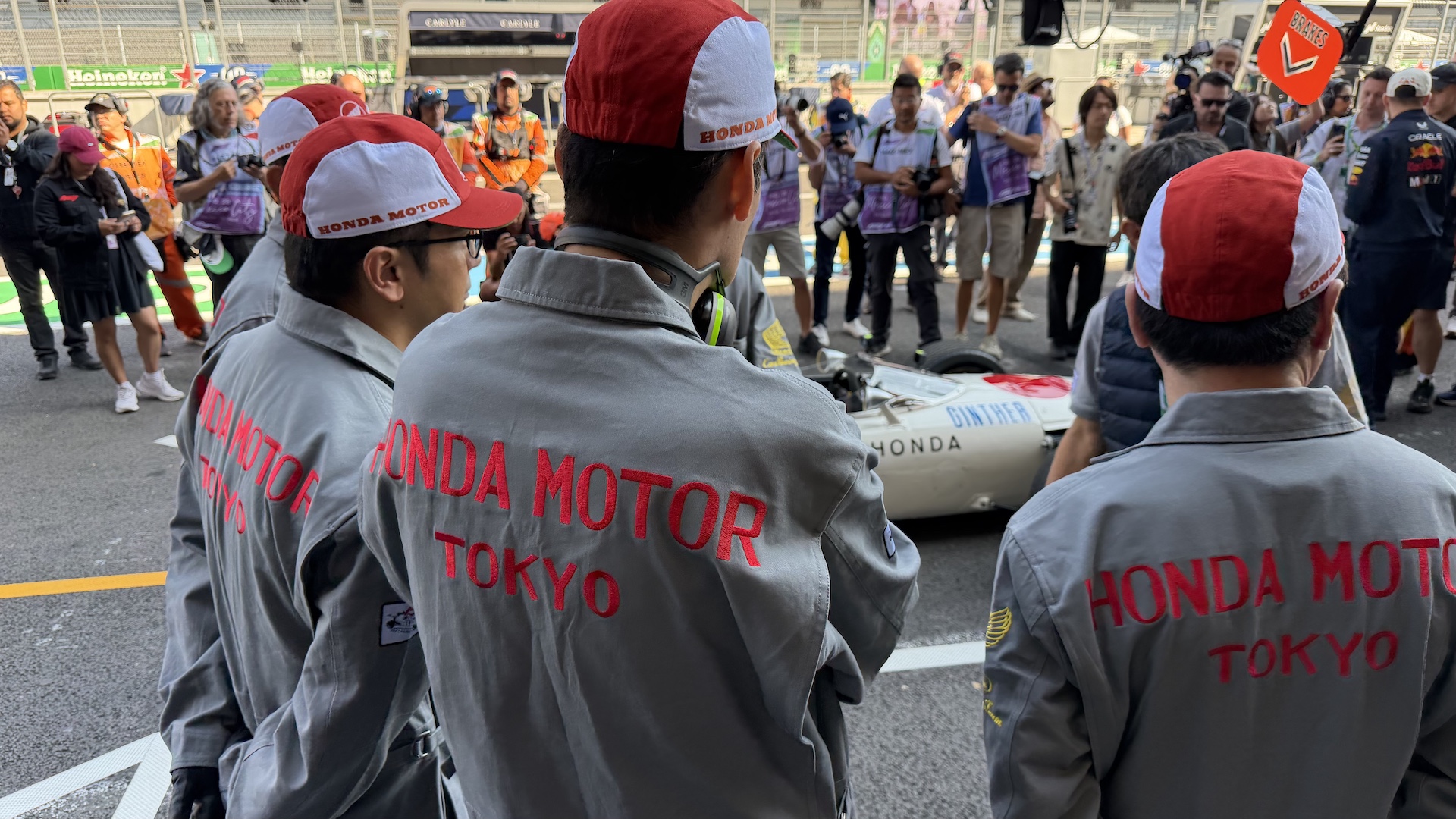
Sandwiched between a happy-looking Honda CEO Toshihiro Mibe and the ever-so-friendly but always serious-looking Koji Watanabe—the man responsible for all of Honda’s racing efforts worldwide—I awaited Tsunoda to come through the Red Bull garage and climb into the RA. Meanwhile, its guardians, covered from head to toe in exquisite period-correct replica mechanic coveralls designed by Patrick Calello, kept a watchful eye on the RA as we neared go time.
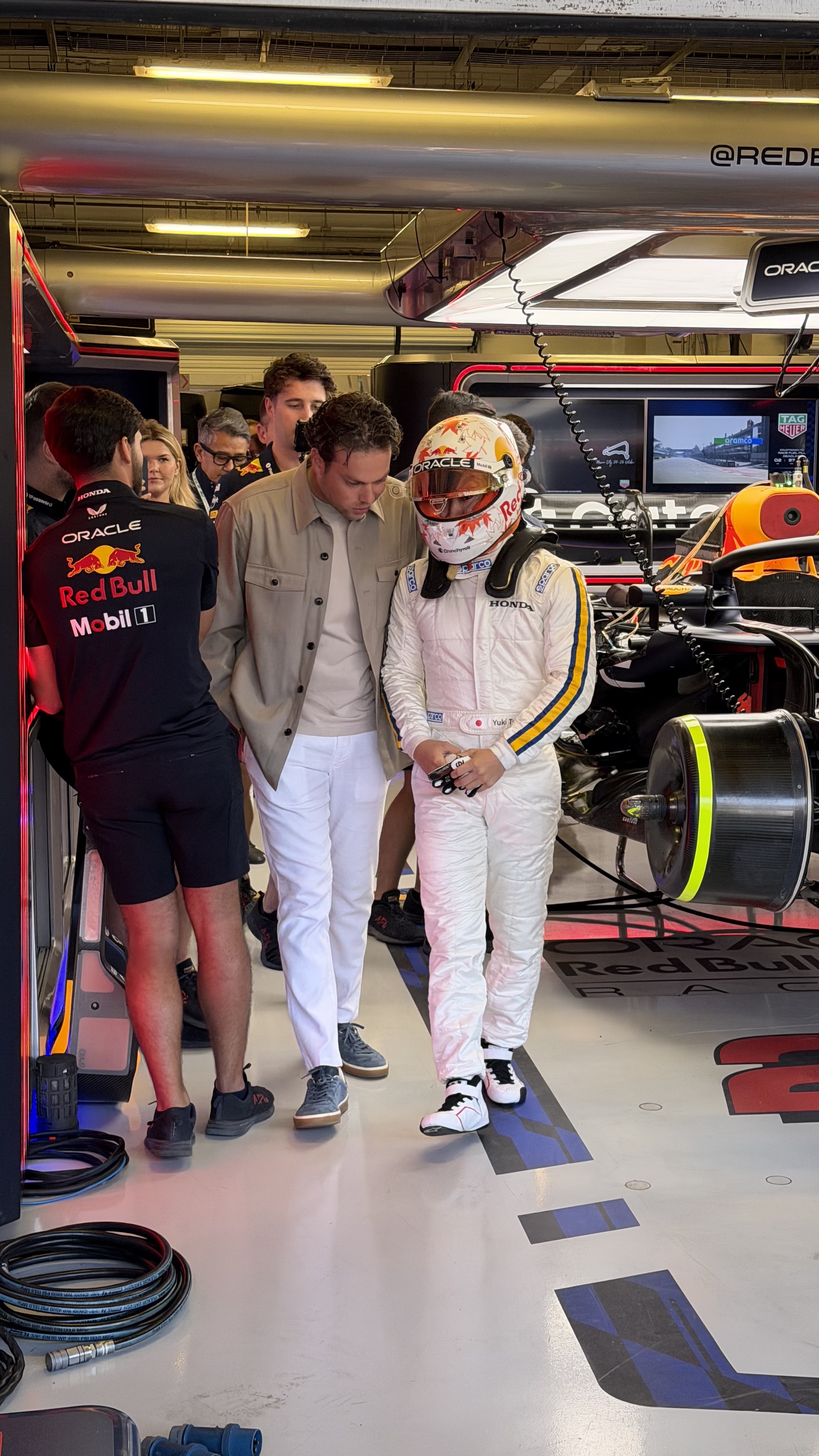
Japan’s only active F1 driver suddenly appeared, wearing a vintage-looking white racing suit with subtle blue-and-yellow stripes down his arms, and a big HONDA on the back. His helmet was on, his gloves weren’t, and after a quick chat with Mibe san and Watanabe san, Tsunoda greeted his crew and climbed into the car.
Unlike today’s carbon-clad F1 cars, where only the tops of the drivers’ heads are visible from the outside, I could almost see all of Tsunoda’s torso. There isn’t much directly in front of the driver in the way of cockpit, let alone a halo, so they’re practically uncovered from their shoulders up. A small metal hoop behind the driver’s helmet is all they get in terms of “support” while accelerating, braking, and cornering at extreme speeds. Oh, and the RA doesn’t have seatbelts. It’s unclear why, or if this is representative of how it raced back in the day, but as we speak, nothing in that car would’ve prevented Tsunoda from torpedoing out of the car in the event of a crash.
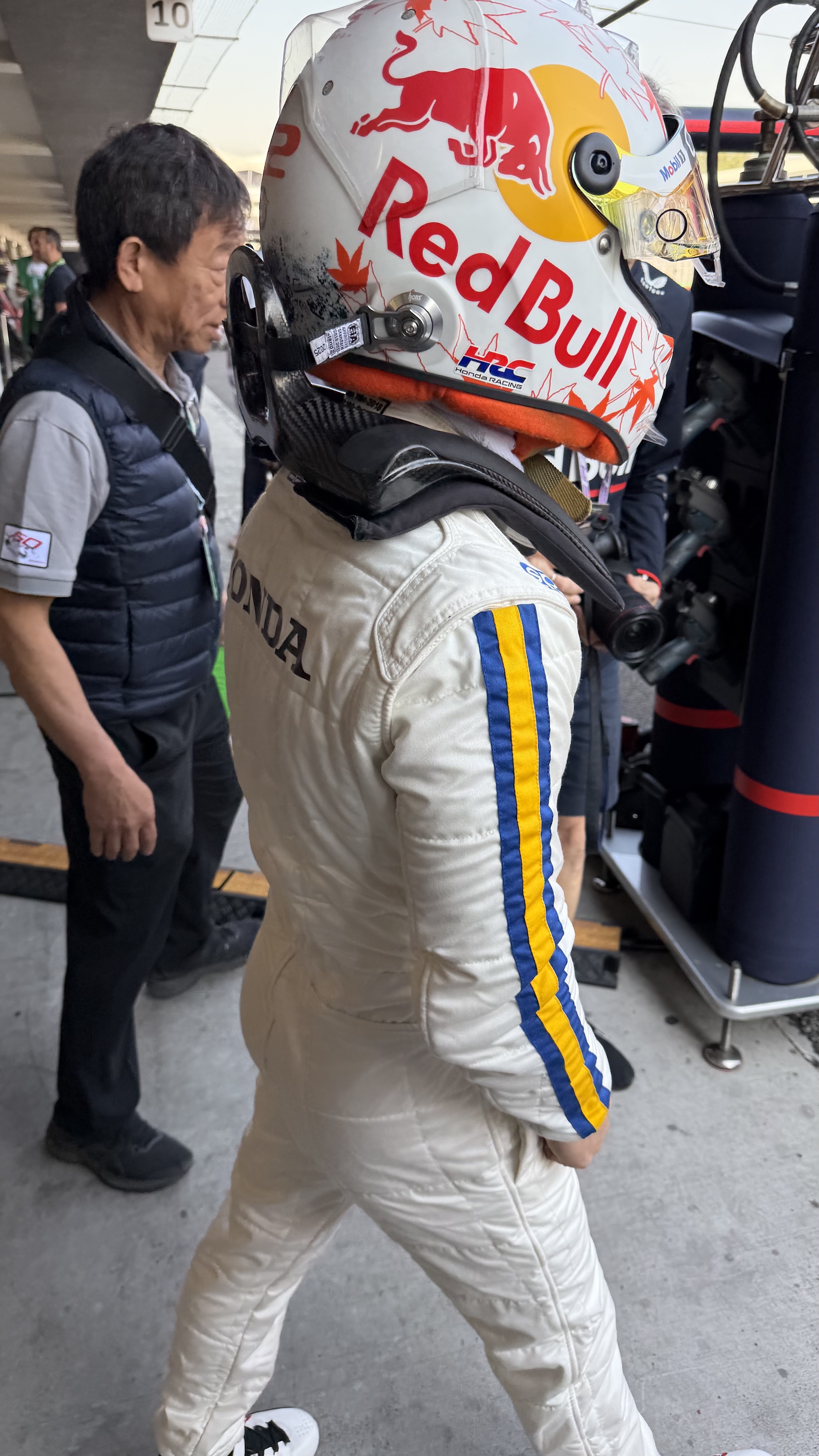
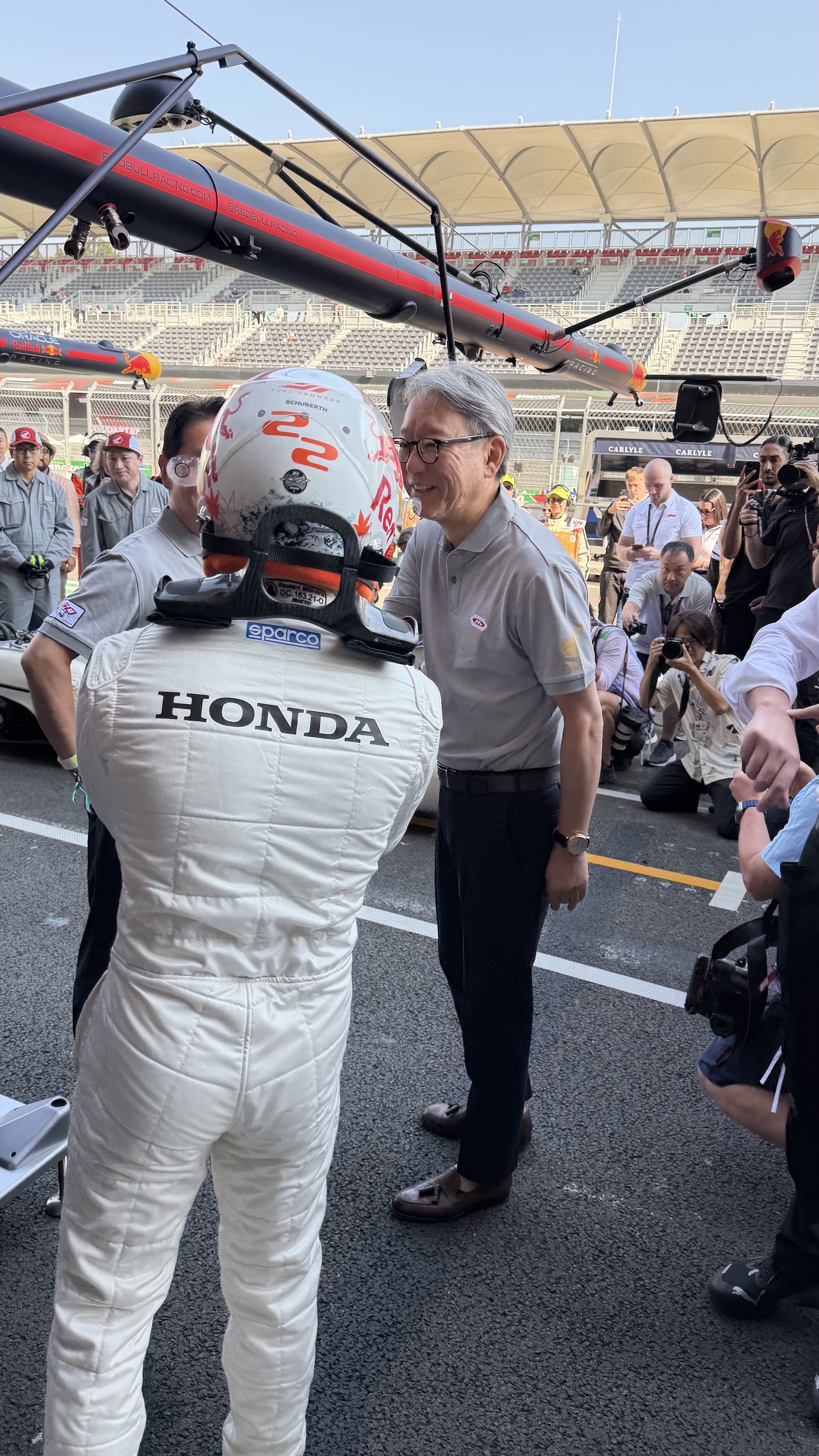
Nothing prepares you for the high-pitched sound of the RA’s incredible 1.5-liter V12. “Relentless” is a great way to describe it, even if it isn’t the best way to convey tone or pitch. It’s relentless because you feel the force in the airwaves; you hear, see, and feel the force coming out of its exhaust pipes. The sound is so thick near the RA that you can almost touch it—a feeling that nearly brought me to tears when I heard it for the first time last year.
While the crew was doing some last-minute tinkering on the rear end of the car, Tsunoda gently put on his driving gloves; Sparcos in white with a dash of black and red to match the RA. None of that shouty Red Bull Racing getup here. The lead mechanic then gave Tsunoda the universal signal to rev it. Y’know, the ol’ flat hand moving up and down as it fulcrums on the wrist.
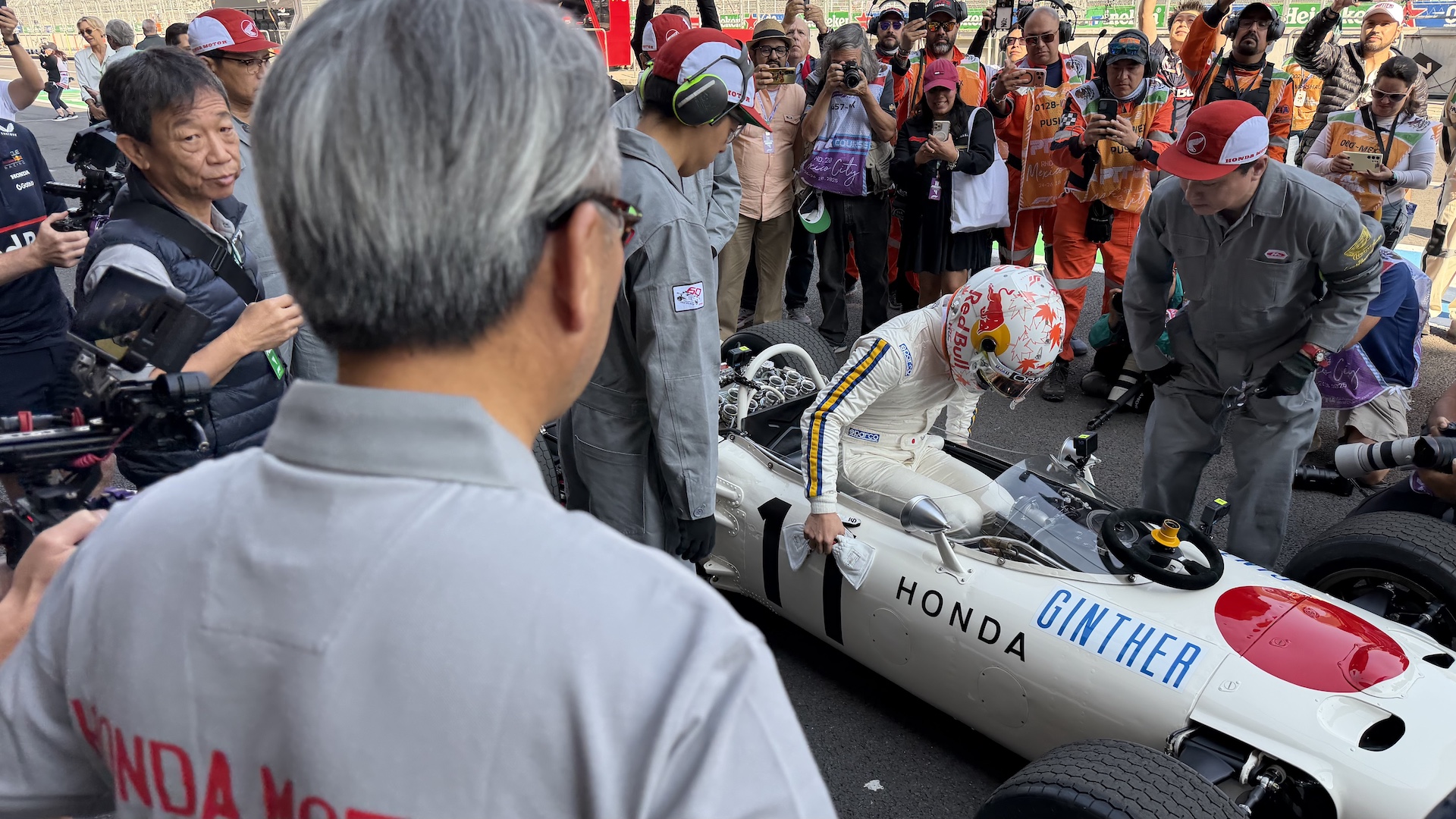
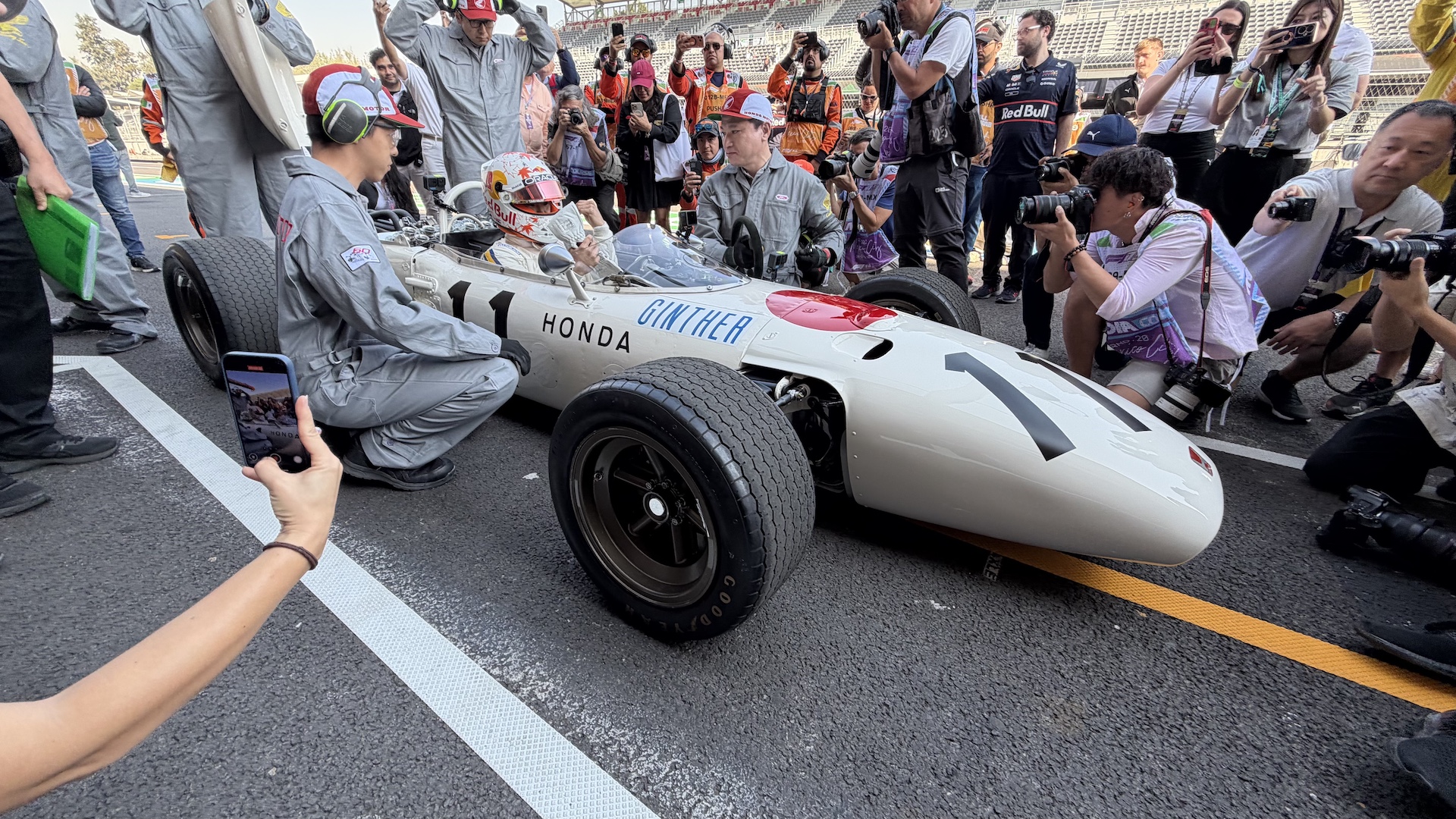
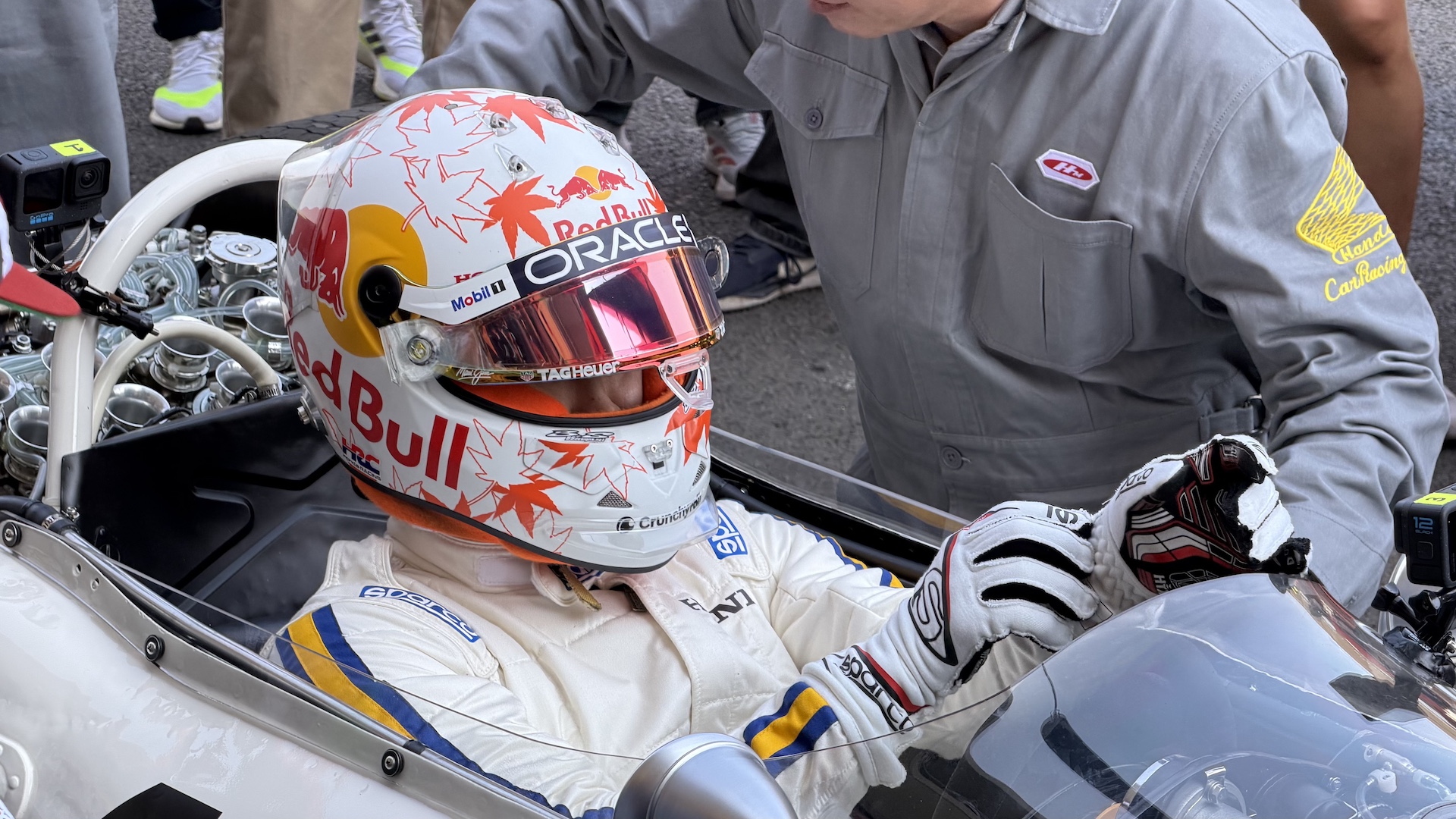
All hell broke loose as Honda’s best hope for a Japanese F1 title contender began revving the hell out of the RA. It’s one thing to hear that V12 at idle, but a different one to have it pierce your eardrums as it spins to approximately 13,000 rpm. It’s mechanical jazz, brother.
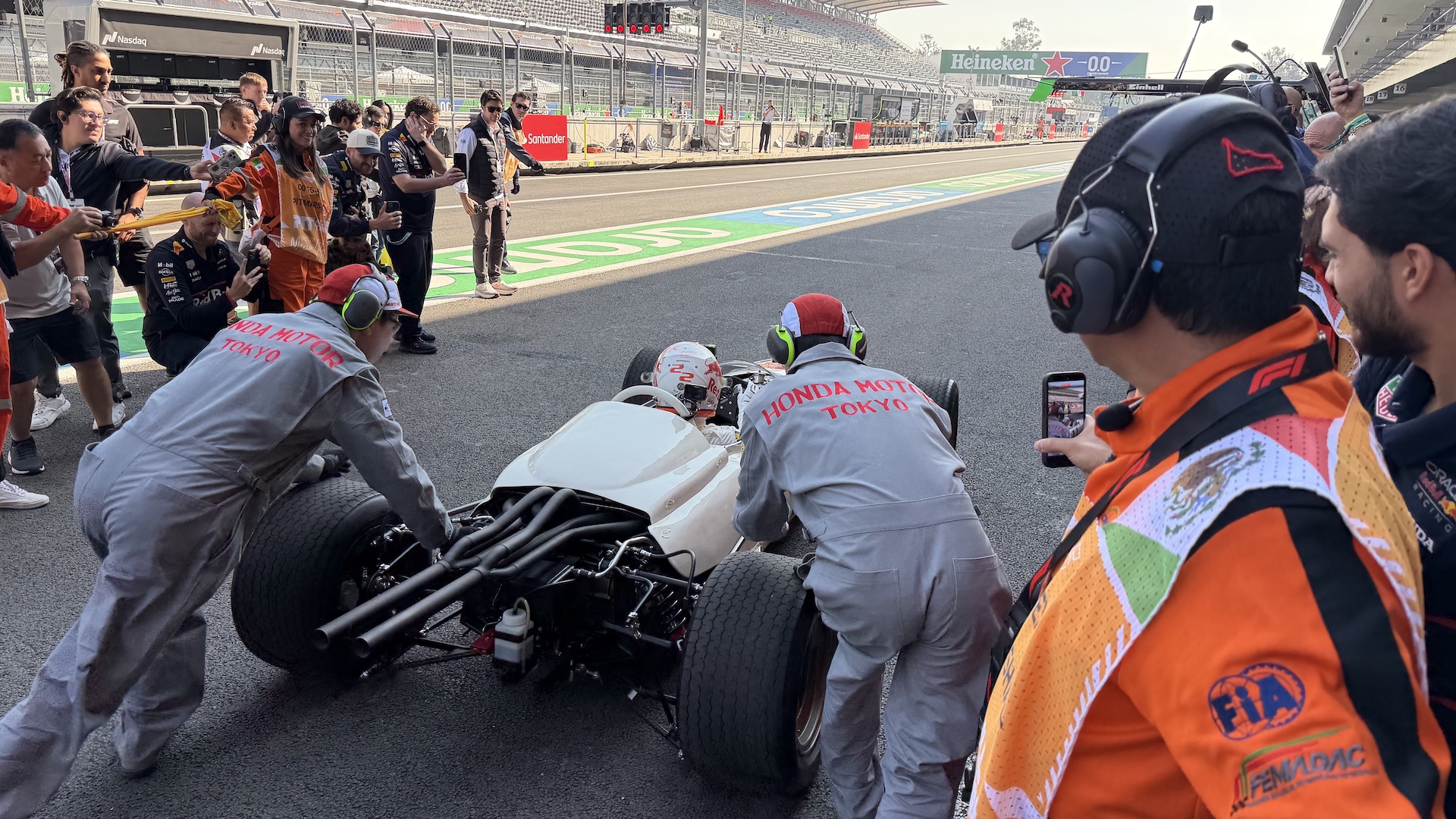
There wasn’t a single gaze down the pit lane, above us in the paddock suites, or across the grandstands on the main straightaway that wasn’t fixated on Japan’s first F1 winner. Tsunoda then worked the clutch and throttle to roll the priceless race car away from its box gently, but that’s easier said than done. The crew of five pushed from behind to help it gain momentum and ease the strain on the transmission. Hikaru Miyagi, one of the few people Honda entrusts with driving the RA, once told me that “It’s more like dancing with a grandma—you have to be very aware of your movements and do everything very carefully because she’s fragile.” Miyagi san was present in Mexico, but this time as a stand-in for Tsunoda, in case those late-night tacos and tequilas forced him onto the bench.
Even though Tsunoda drove the car last year at the Goodwood Festival of Speed, you got the feeling that he wasn’t 100% comfortable with its controls—or maybe it was that pesky altitude that made things even more complicated. After a couple of failed takeoffs, the Red Bull driver rolled down pit lane and onto the racing circuit, but not before one of the mechanics took a tumble after Tsunoda abruptly took off while he was still pushing. People chuckled. I felt bad, but it was all part of the show.
After making its way around the 2.7-mile track—which came with a couple of either driver- or engine-induced hiccups—the RA parked up at the Foro Sol, which is commonly referred to as the “stadium section” of the track, and where F1’s best podium celebration takes place. (Yeah, I’m biased.) There, the Honda family awaited Tsunoda to commemorate the occasion and not just celebrate 60 years since the first F1 win, but also reflect on Honda’s future in a constantly evolving, complex sport.
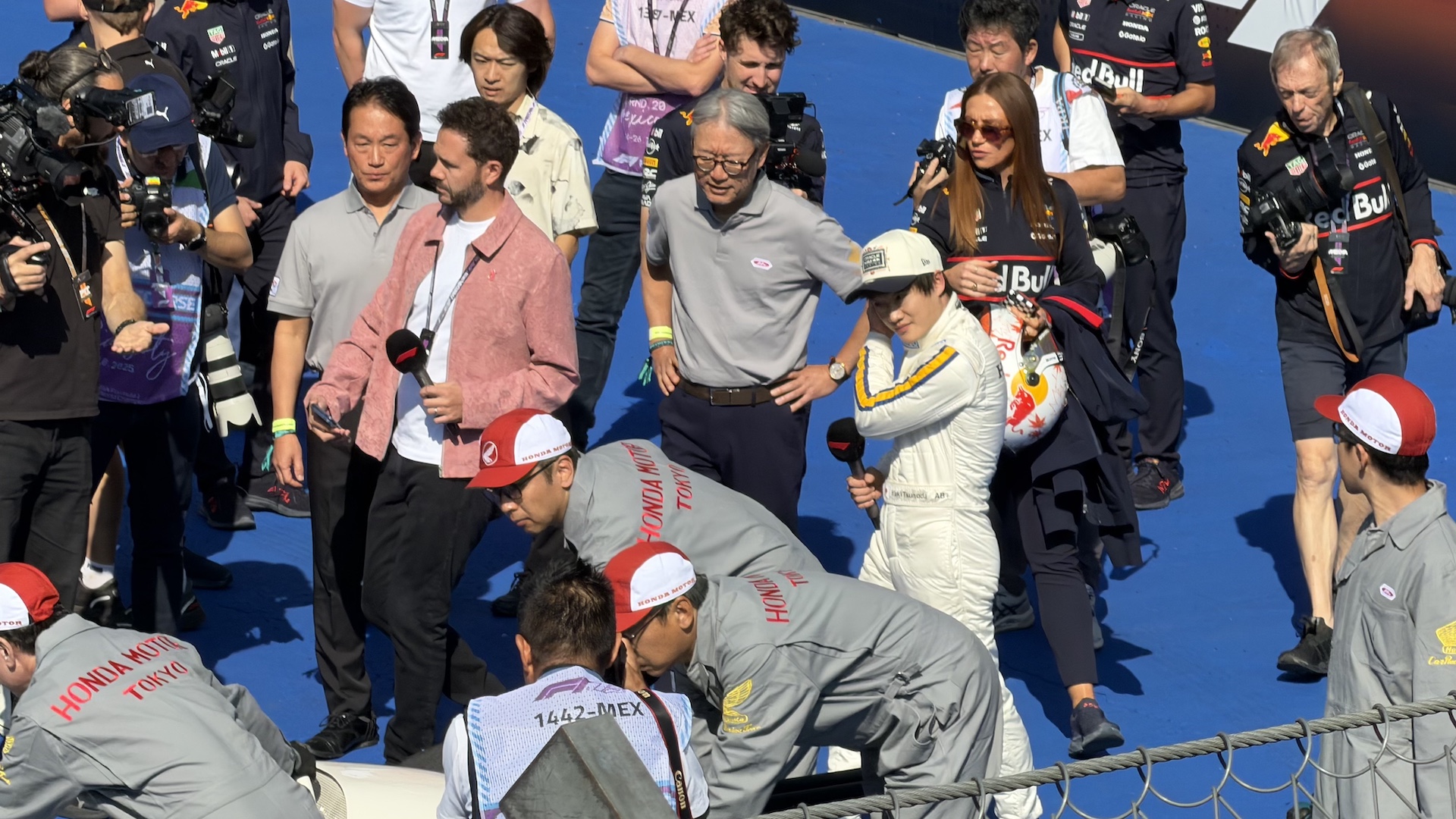
“This demonstration of the RA272 is a little gift to everyone, F1 fans, Honda fans, history fans, and everyone in Japan,” Mibe told The Drive. “Our global brand slogan is Power of Dreams, and racing is one way we move people emotionally—we want to bring joy to people through motorsports.
“In the ’60s in Japan, motorsports were not popular, so creating a motorsports event was seen as impossible. However, Soichiro Honda had a small company at the time, and in order to have a [global] presence, he thought Honda had to win in the top categories. To realize this dream, Honda participated in motorcycle racing at the highest level, and after a few years, rose to the top, and could show the Honda name to the world.
“The next goal was to win in car racing, so in 1964 we began participating in F1, and all of society was surprised about Honda’s desire to race—even employees of the company. Mr. Honda had a very strong desire to participate in F1. So after one year of racing, here in Mexico, we got our first win. Now, in 2025, we are getting ready to change teams and have a green car [Aston Martin] next year. We are always preparing for next year, always preparing to have better results, and always preparing to win,” he concluded.
Honda will conclude a dreamy seven-year partnership with the Red Bull Racing empire, which began with supplying power units to Scuderia Toro Rosso in 2018. A year later, it began powering RBR’s cars, and well, the rest is history. In 2021, Max Verstappen gave the automaker its first F1 driver’s title since Ayrton Senna in 1991, and Red Bull’s Wunderkid has repeated the feat three times since.
Will the “green car,” as Mibe-san called it, bring Honda more wins and championships under the Aston Martin F1 Team banner? It’s a long and uphill road, for sure, but for now, Honda’s top man is just pleased with the fact that when Lawrence Stroll needed a winning engine, he picked up the phone and called Watanabe-san. He told me so.
Email the author at jerry@thedrive.com
The post How Honda Marked a New Racing Era in Mexico 60 Years After Its First F1 Win appeared first on The Drive.
Posts Widget
- 1

- 2
- 3
- 4



Copyright © 2025 · ORUC GLOBAL · All rights reserved


