

How Brembo Redesigned F1 Brakes for the 2026 Power Unit Revolution

By the time you read this, the 2026 Formula 1 cars will have already completed both Friday practice sessions at the season-opening Australian Grand Prix. And unlike in pre-season testing, their performance around the 3.29-mile Albert Park Circuit will actually count toward something. Before they go on to set any pole positions or race wins, there is an updated component that all drivers and teams must master first, and it’s a critical one: brakes.
Under the flag of the Brembo Group, both Brembo Brakes and AP Racing supply every F1 team with braking components. For 2026, the entire field of 11 outfits will utilize Brembo or AP Racing calipers, while five teams are equipped with full braking systems, meaning calipers, pads, and discs. Even those who choose to run the calipers but go a different route with pads and discs will use Brembo brake-by-wire systems and master cylinders. As a result, Brembo engineers have had a monumental task ahead of the 2026 season, working internally and alongside all the teams to nail the new regulations.
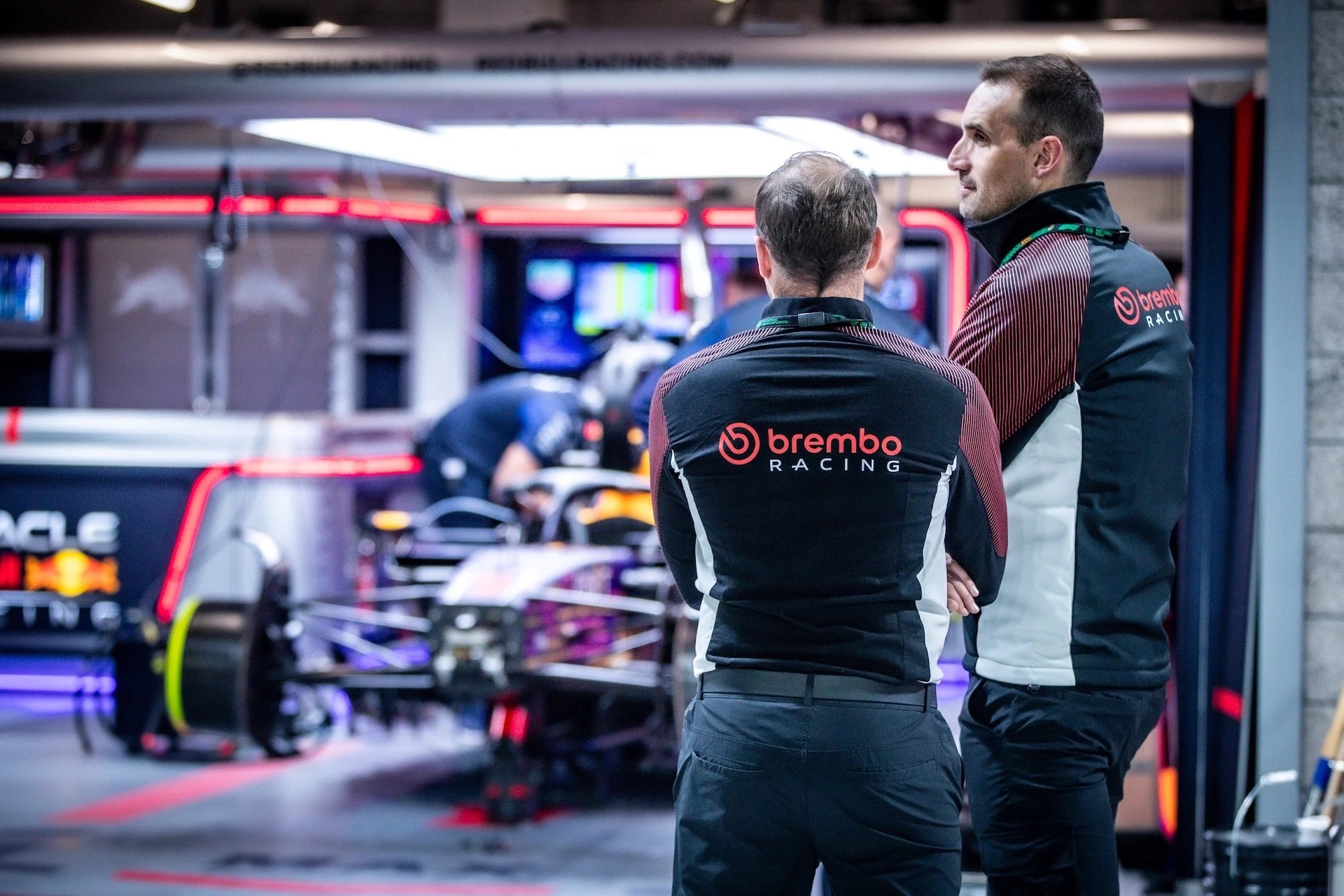
I recently caught up with Andrea Algeri, who knows a thing or two about brakes. Algeri runs the open- and closed-wheel racing departments for Brembo, so it’s his job to understand these regulatory changes and ensure Brembo delivers on the teams’ expectations and bespoke design requests. My first question was, what exactly are those regulation changes? He was happy to explain, via a roughly 20-minute-long answer.
I’ll now translate that in a way that makes sense to commoners: The biggest change in the braking department is the expansion of options in component design, specifically for calipers and discs. The front calipers remain aluminum monoblock, but teams can now choose between six- and eight-piston configurations. Previously, a six-piston setup was the default. Teams switching to more pistons, however, must abide by several changes to the core construction of the caliper. For example, increasing the piston count by two will also increase the number of pads sitting within the caliper from two to four. And because the caliper housing is different, the number of fixing points increases from two to three. Surprisingly, weight is actually decreasing by half a kilo, or roughly 1.1 pounds, compared to the 2025 counterpart. That’s considerable.
That’s the changes for the caliper alone; there are also regulatory changes to the disc, or rotor itself. Both the disc diameter and thickness, and the number of venting holes, have been increased for 2026. Diameter (distance across the disc) was increased from 328mm to 330mm, though teams can go up to 345mm depending on their caliper of choice. Disc thickness saw its first increase since 2018, going from 32mm to 34mm, though, much like diameter, teams can opt for sticking with a 32mm unit depending on caliper application. It’s the number of holes that saw an enormous increase over last year’s hardware, going from 1,050 3mm holes in a sort of honeycomb pattern to 1,440 2.5mm tiny venting circles arranged in a linear pattern. Disc weight also increased from 1.75 kilos to 2, so roughly 4.4 pounds total weight at each corner.
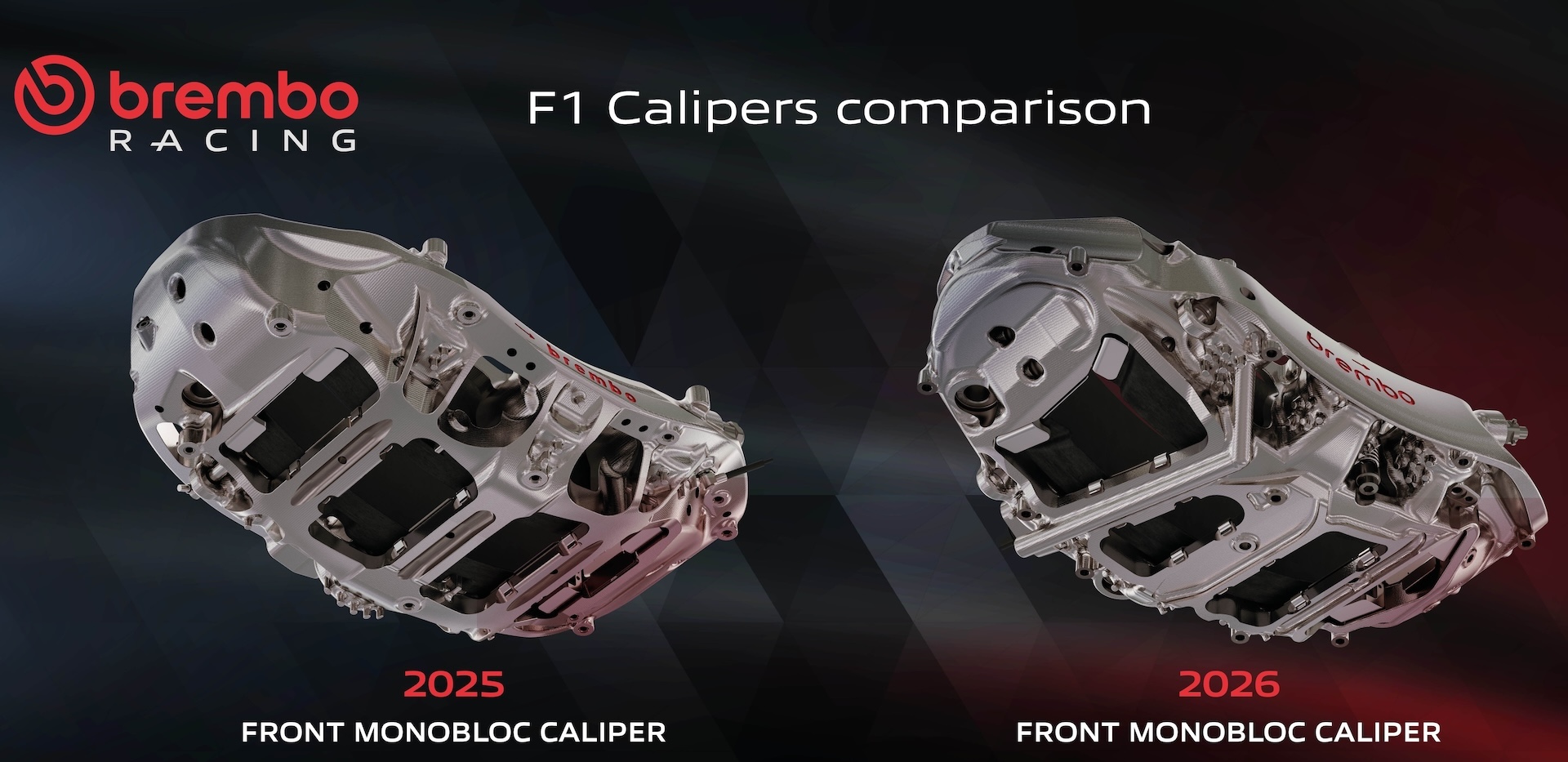
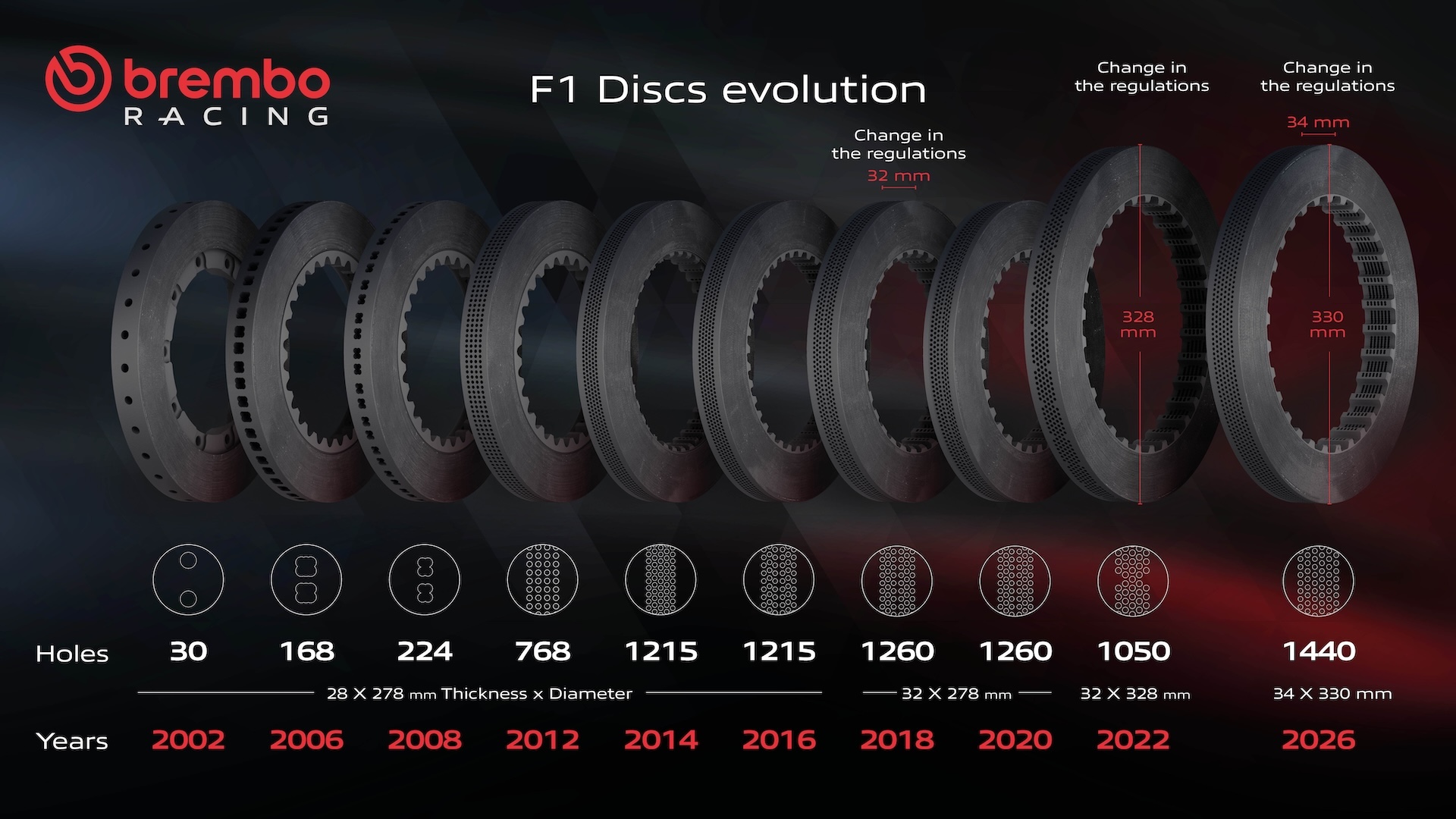
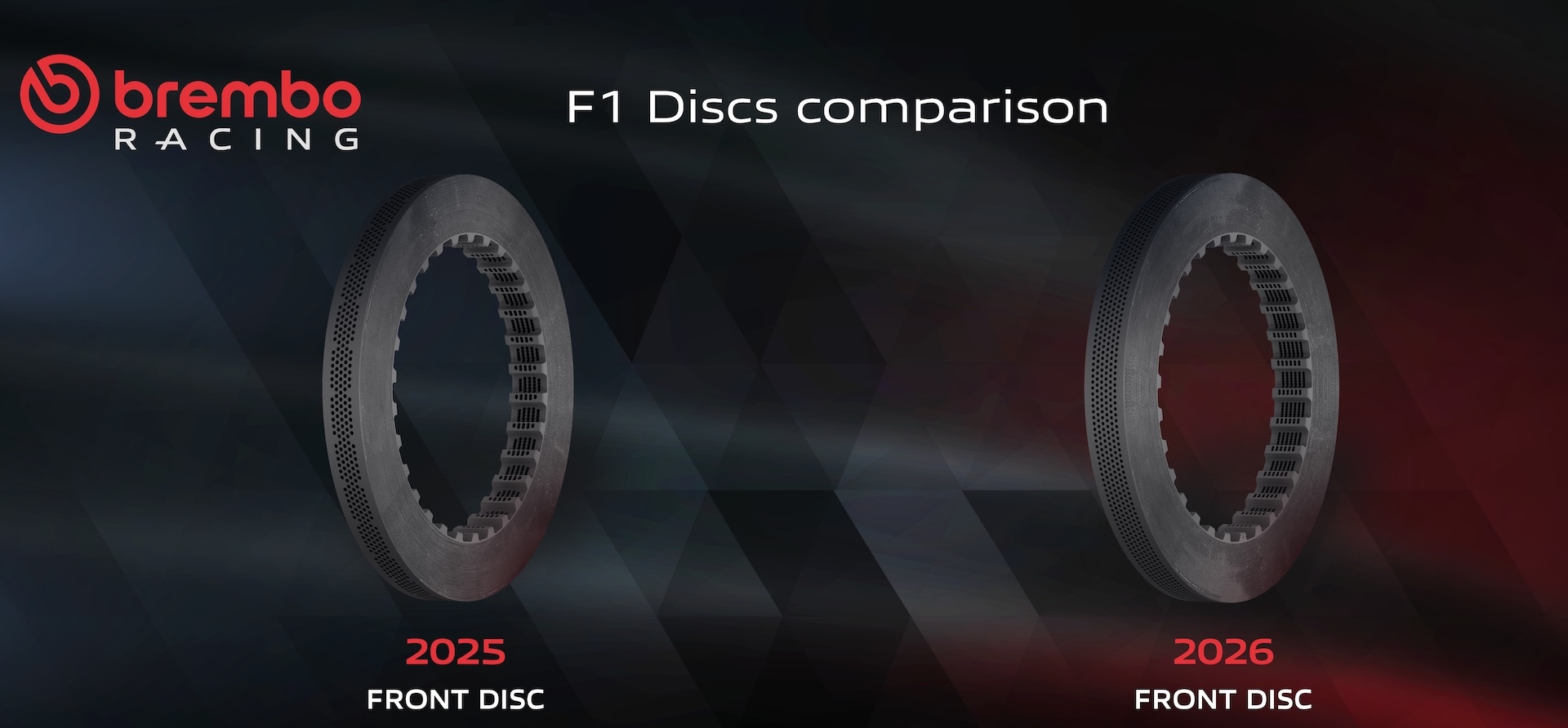
As Algeri explained to me, the hardware changes are one thing, and another completely different issue to tackle is the final integration of these with each team’s car. And then there’s also the software side of things. With Brembo also supplying a completely redesigned hydraulic brake-by-wire unit, new code is crucial to align braking performance with the signal inputs from the driver, power unit, and hybrid system.
Once hardware and software are harmoniously integrated, Brembo must also work with each team to tweak their setups for optimum performance. This is F1, after all, and no two teams run identical setups because each believes it knows better than the other. While the regulations specify the limits of what’s allowed, that doesn’t mean the translation will be identical across all teams.
“Teams are always looking for an edge, and we have to work with them to get what they want, but there is always a compromise,” Algeri told The Drive. “We’ve been doing this long enough and there is trust on both sides, that if we have to say yes or no to a request, they believe us. We also have to do all the testing necessary to have the data to prove to them why we make certain decisions.”
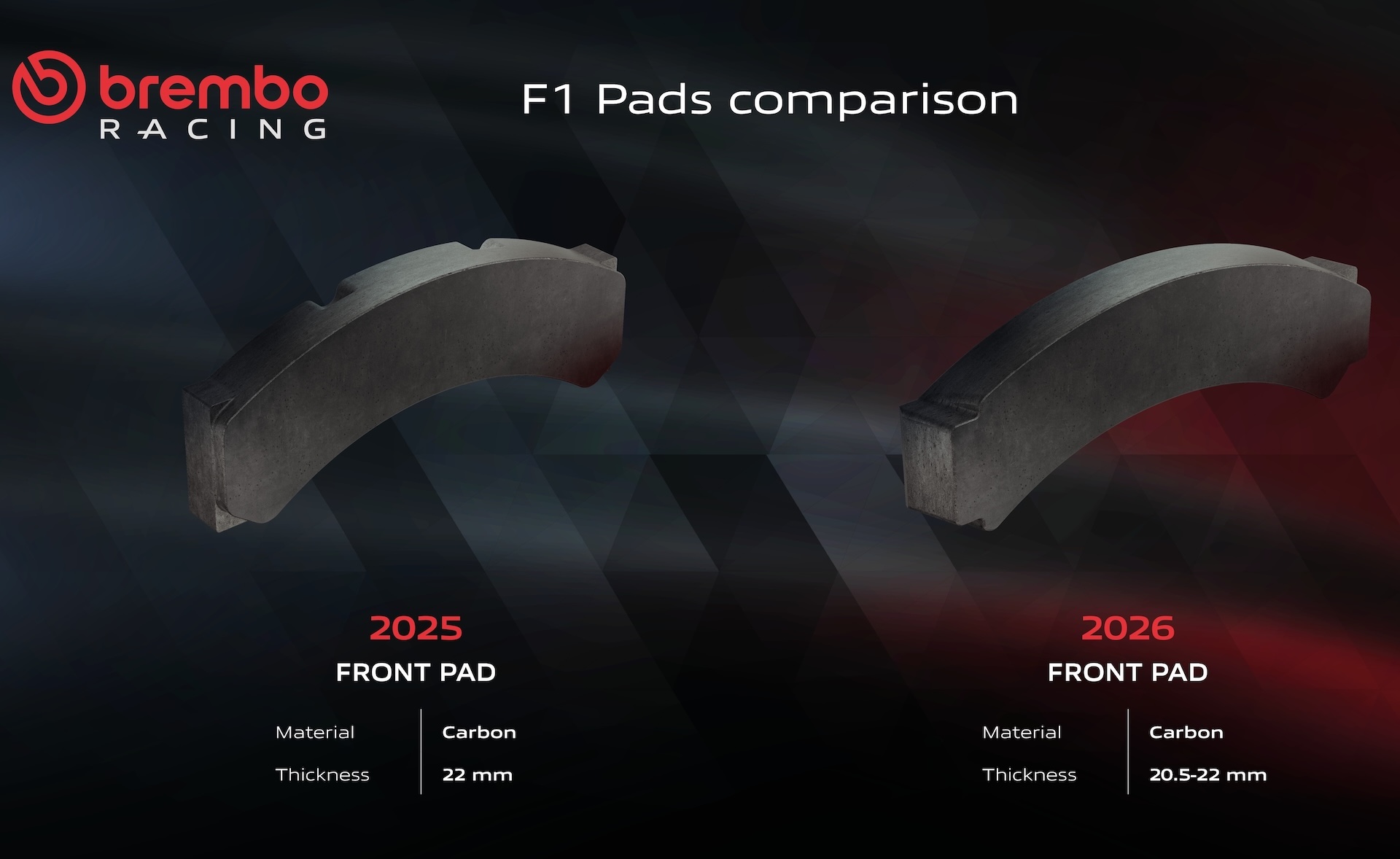
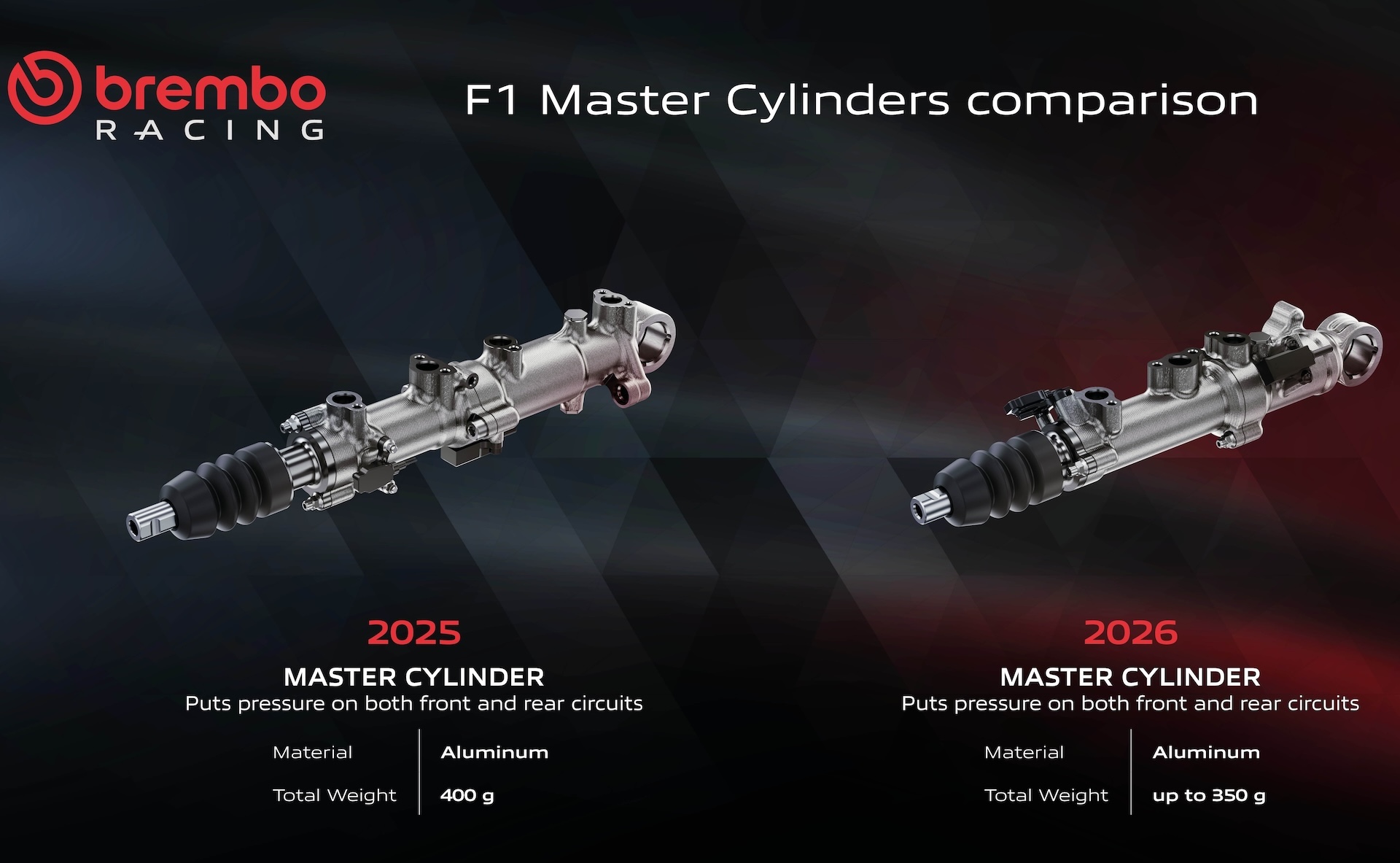
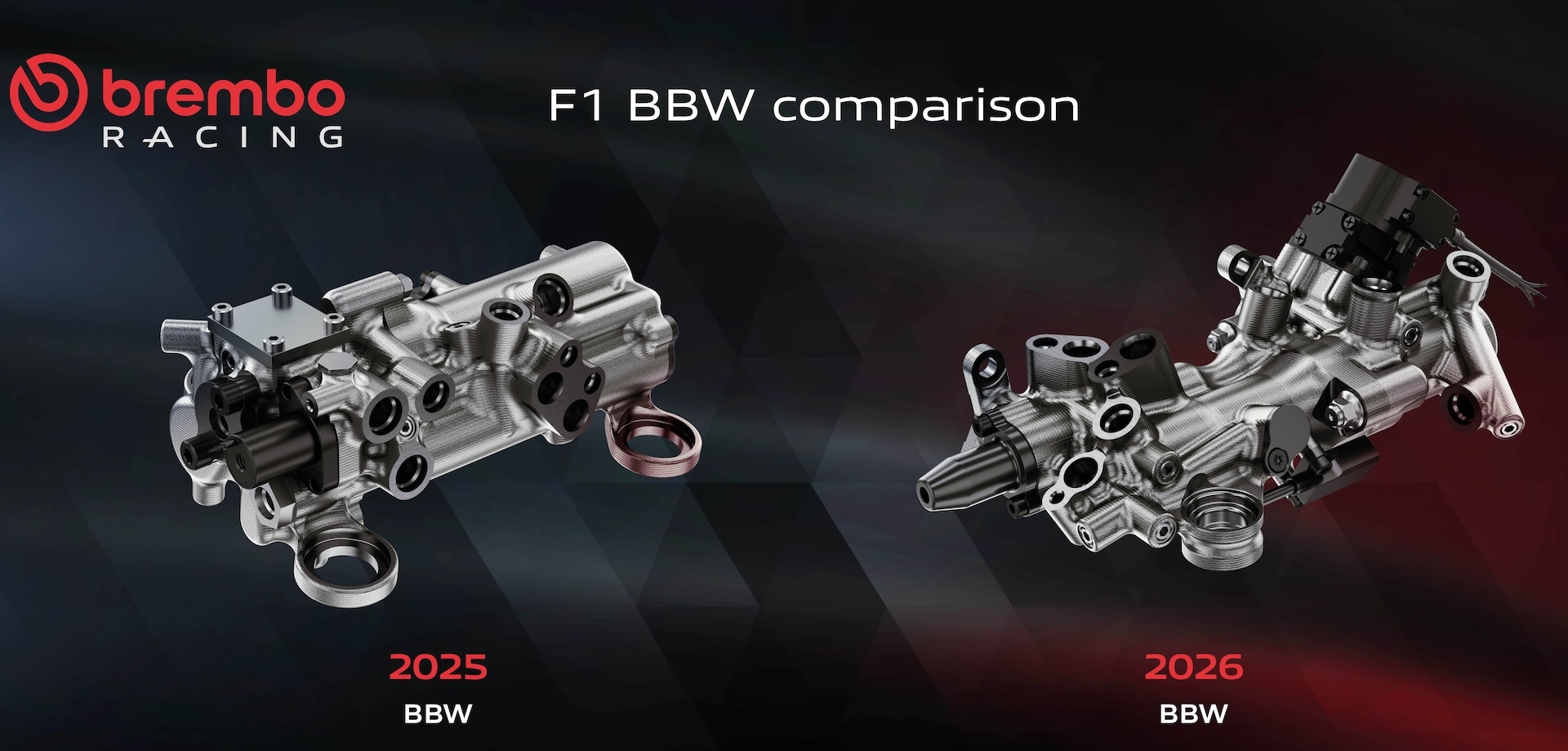
When I asked about the benefits of switching from the previous (and optional current) six-piston setup to an eight-piston caliper, Algeri shared that there are benefits, but ultimately, each team must consider what works best for their package. An eight-piston setup is more mechanically complex and has more moving parts, but one positive side-effect is more balanced braking pressure against the disc, as well as increased initial torque. Regarding the latter, the increased clamping force is a benefit at the front wheels, but it’s a completely different story at the back, where the tires are driven by the hybrid power unit.
And that’s really when things start getting more complicated, and Brembo has to understand how all the regulatory changes affect the entire car, not just the brakes. With the energy being split drastically differently compared to the outgoing cars, power will undoubtedly be applied differently to the ground. This affects tire performance—whether it be grip and wear—but also braking performance. Algeri shared how energy recovery (harvesting energy via braking to charge the battery) plays a much bigger role in 2026, and that directly affects how the rear brakes behave.
Energy recovery will significantly lighten the braking load on the rear brakes, even during hard deceleration events, as the car will ultimately use drivetrain drag to slow rather than mechanically clamping down on its rotors. However, just because the braking event isn’t as strong doesn’t mean it’s necessarily shorter, or generates lower temperatures; quite the opposite, though this will vary greatly by track and the driver’s braking style.
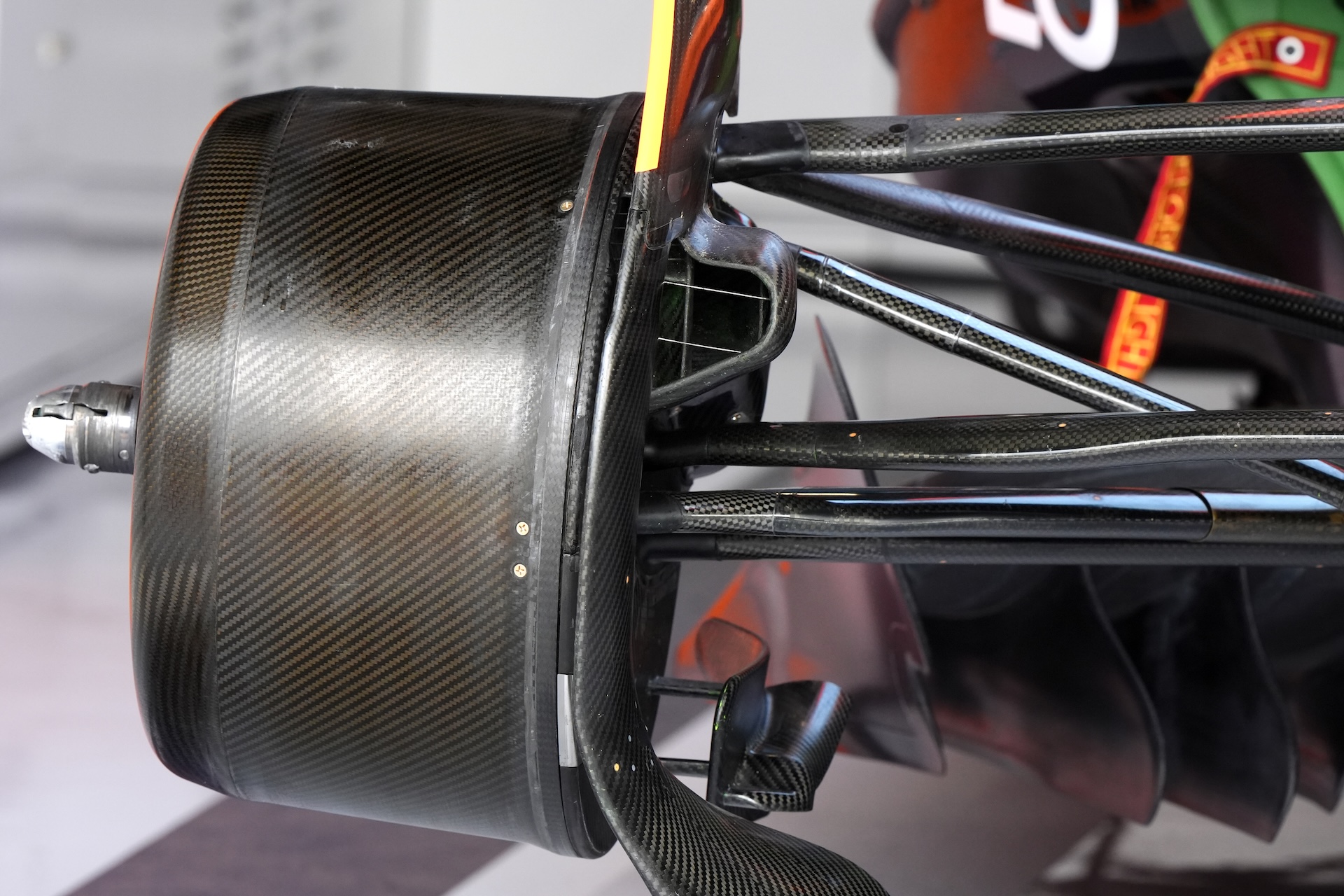
I mentioned to Algeri that, once, during a chat with F1 champ Jenson Button at the Rolex 24 in Daytona, Button said he struggled to come to terms with his Acura GTP’s traction control system. His beef was with how the software managed rear-axle braking (and slip) based on pedal position, and how that didn’t mesh well with his driving style. Sometimes the system braked too hard and sometimes not enough, and it wasn’t until he better understood energy recovery and how that was deployed to the rears that he could really master braking. I thought it was worth sharing the anecdote to see whether F1 could be facing a similar issue in 2026, with cars relying more heavily on energy recovery.
Brembo’s racing boss acknowledged how Button could’ve easily suffered from that and explained how energy recovery, management, and deployment play a major role in braking behavior and performance. While he did not elaborate further, it’s my understanding that, despite current F1 cars not having a traction control system, the various adjustable levels of regen braking and self-learning software for rear-axle management could sort of act like one, especially under deceleration.
The more torque the wheel/tire generates under acceleration or deceleration, the more crucial the brake application becomes. As you have read above, it isn’t down to just one component. It’s several pieces of hardware, as well as software integration—and it’s all bespoke to each team. As Algeri reiterated, there’s really no such thing as “one size fits all” when it comes to F1, even if certain parameters are set in stone.
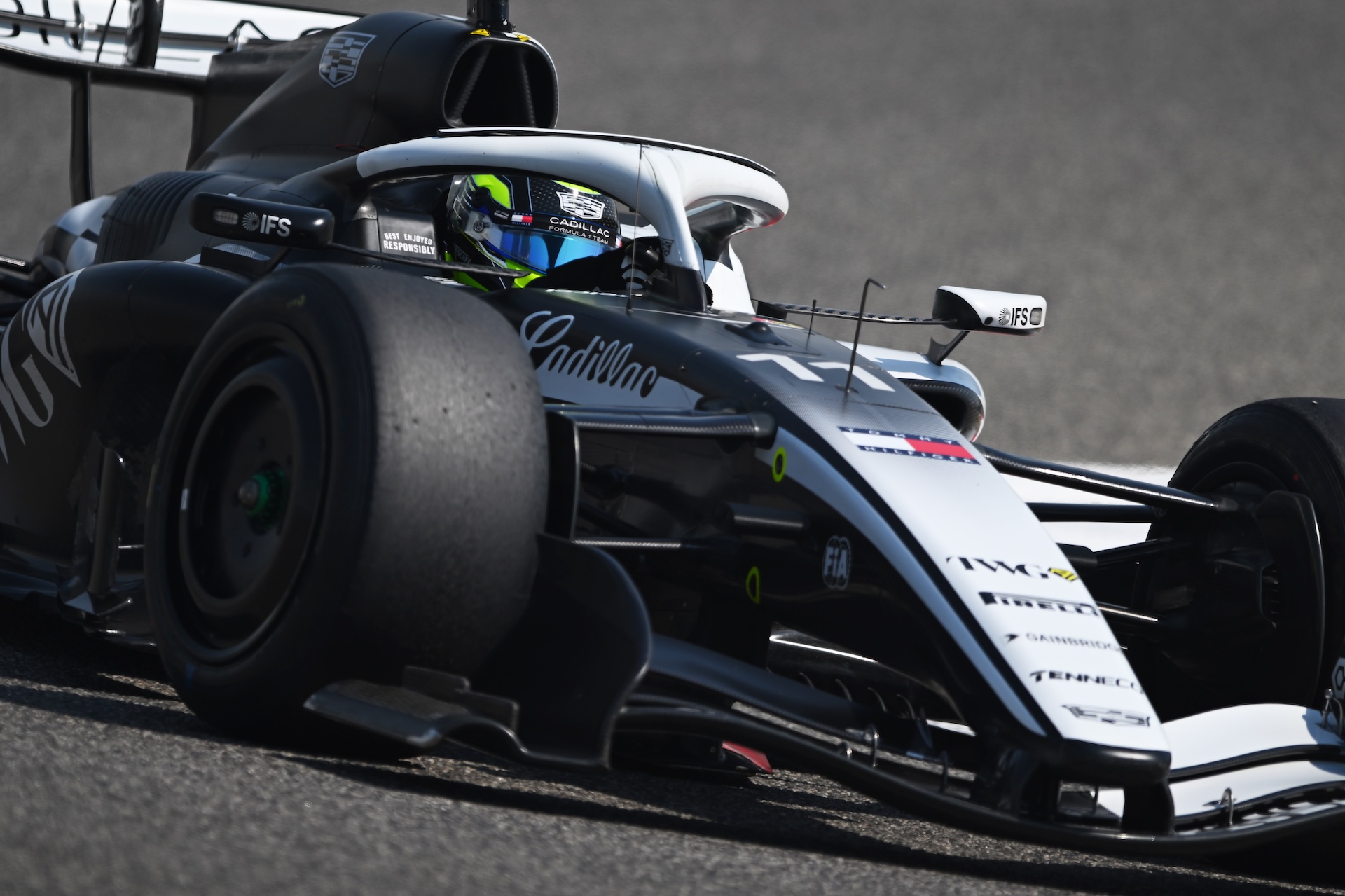
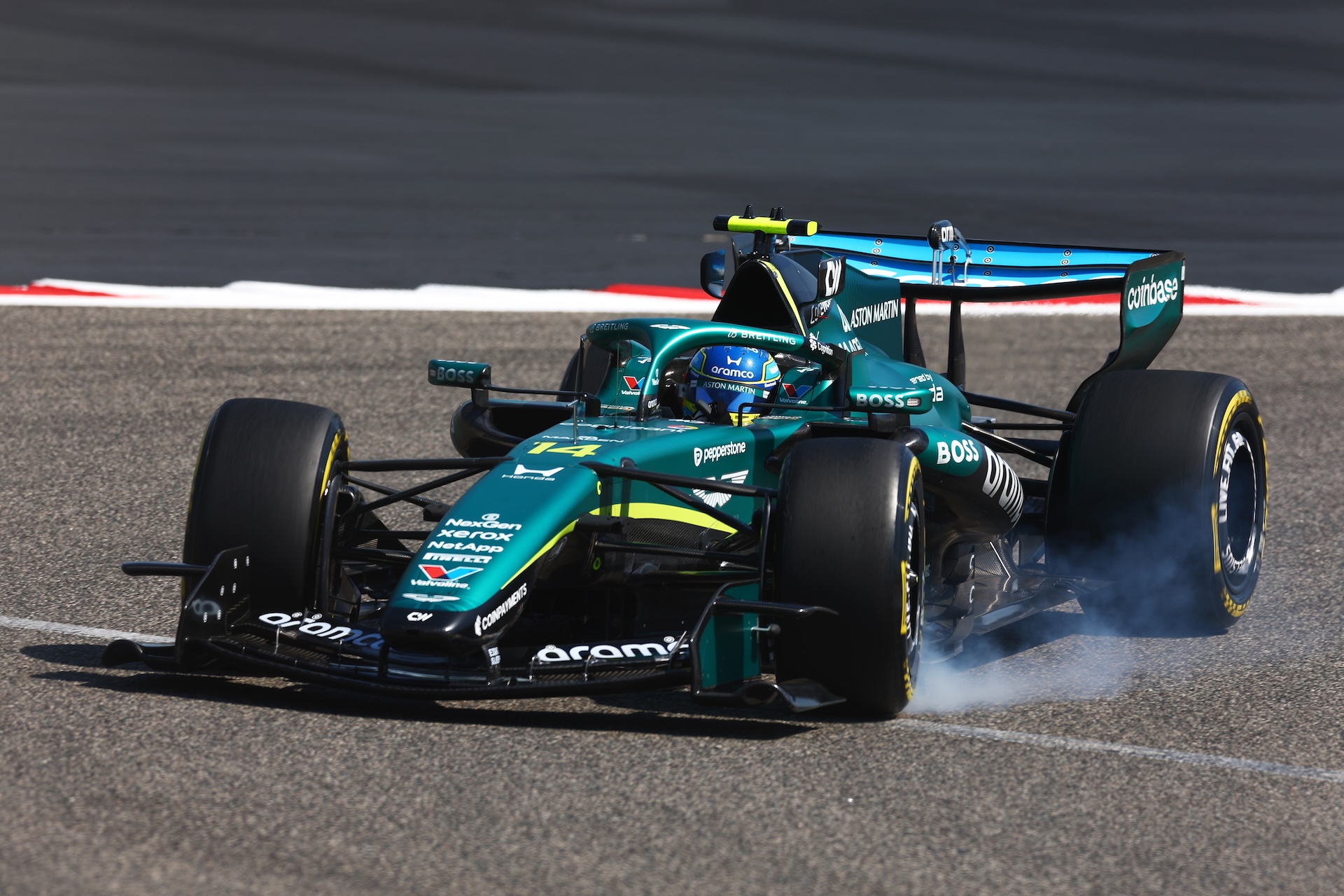
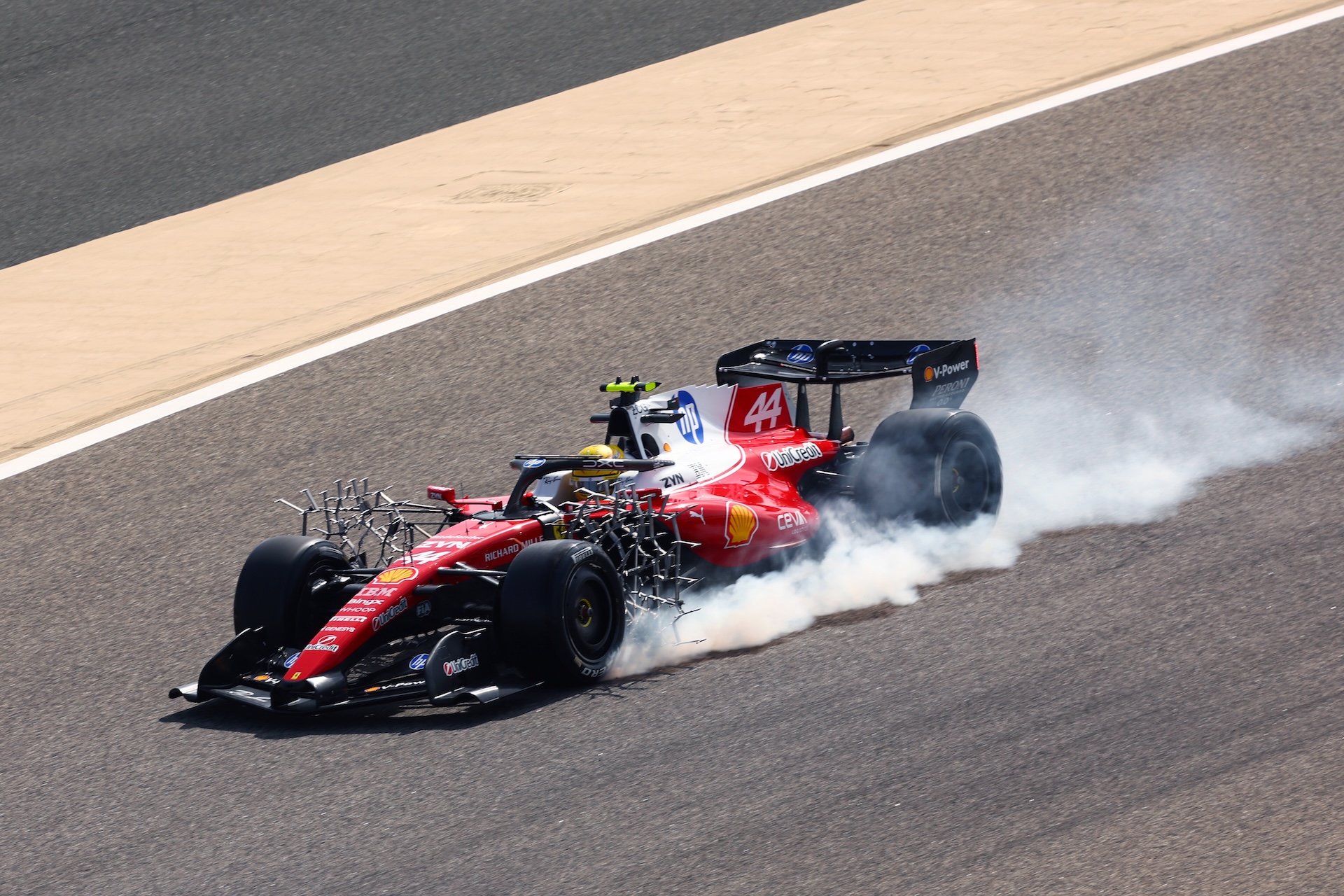
At the end of the day, each team will suffer the consequences or enjoy the benefits of their brake system choices. Some will feel motivated to risk more and try new applications, while others may want to play it safe; one thing is for sure: this will likely change as the season develops.
Algeri’s charisma and enthusiasm carried on past our meeting’s scheduled end time, but I was nerding out on everything he had to say. Though if I went into detail about every bit of our chat, I’d need a few months to understand the engineering concepts behind these systems, and you’d likely be reading 10,000 more words on how the new F1 brakes work. The goal was to make the regulation changes easy to visualize and understand how they will affect teams and drivers once the green flag drops on Sunday (Saturday night if you live in the U.S.).
Email the author at jerry@thedrive.com
The post How Brembo Redesigned F1 Brakes for the 2026 Power Unit Revolution appeared first on The Drive.
Posts Widget
- 1

- 2
- 3
- 4





Copyright © 2025 · ORUC GLOBAL · All rights reserved


