

2026 Polestar 4 First Drive Review: Betting on Design All the Way
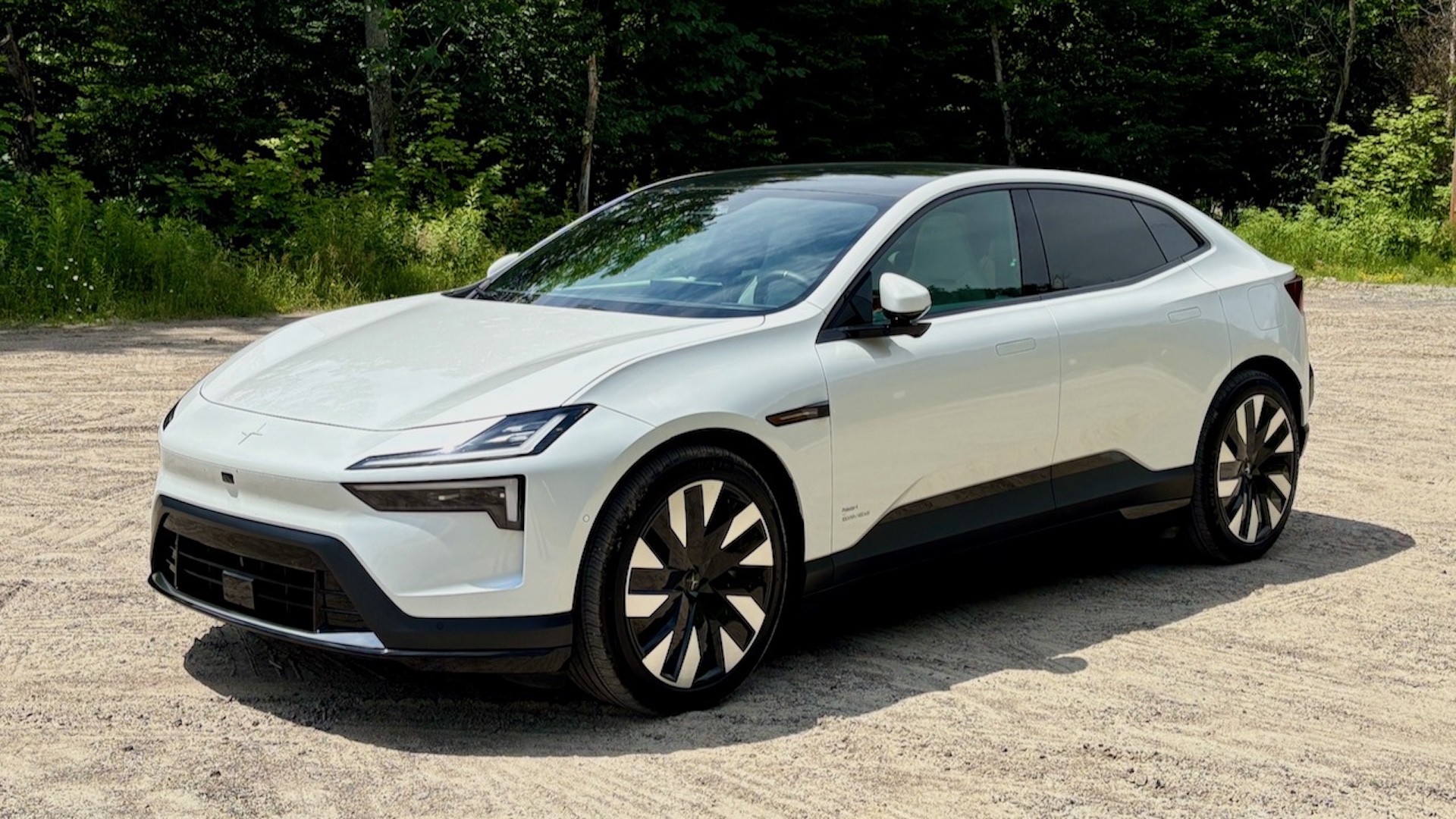
The Polestar 4 electric SUV has a tough act to follow. The bigger, more spacious 3 SUV also seats five and imitates much of what’s made Volvo’s gas SUVs so satisfying to drive. The 4 has to do all that on a tighter budget, while being careful not to step on the bigger EV’s toes.
It takes its shot with an entirely different platform that yields less poised handling and incorporates some intentionally quirky details that push its outsider vibe to the limit.
The 4 is the fourth new vehicle from the relatively new Polestar brand. Following the sleek 1 plug-in hybrid coupe, the do-it-all mid-size 2 hatchback, and the large 3 SUV, the 4 precedes the upcoming Polestar 5 sedan. Polestar doles out names in sequential order, not by size or class.
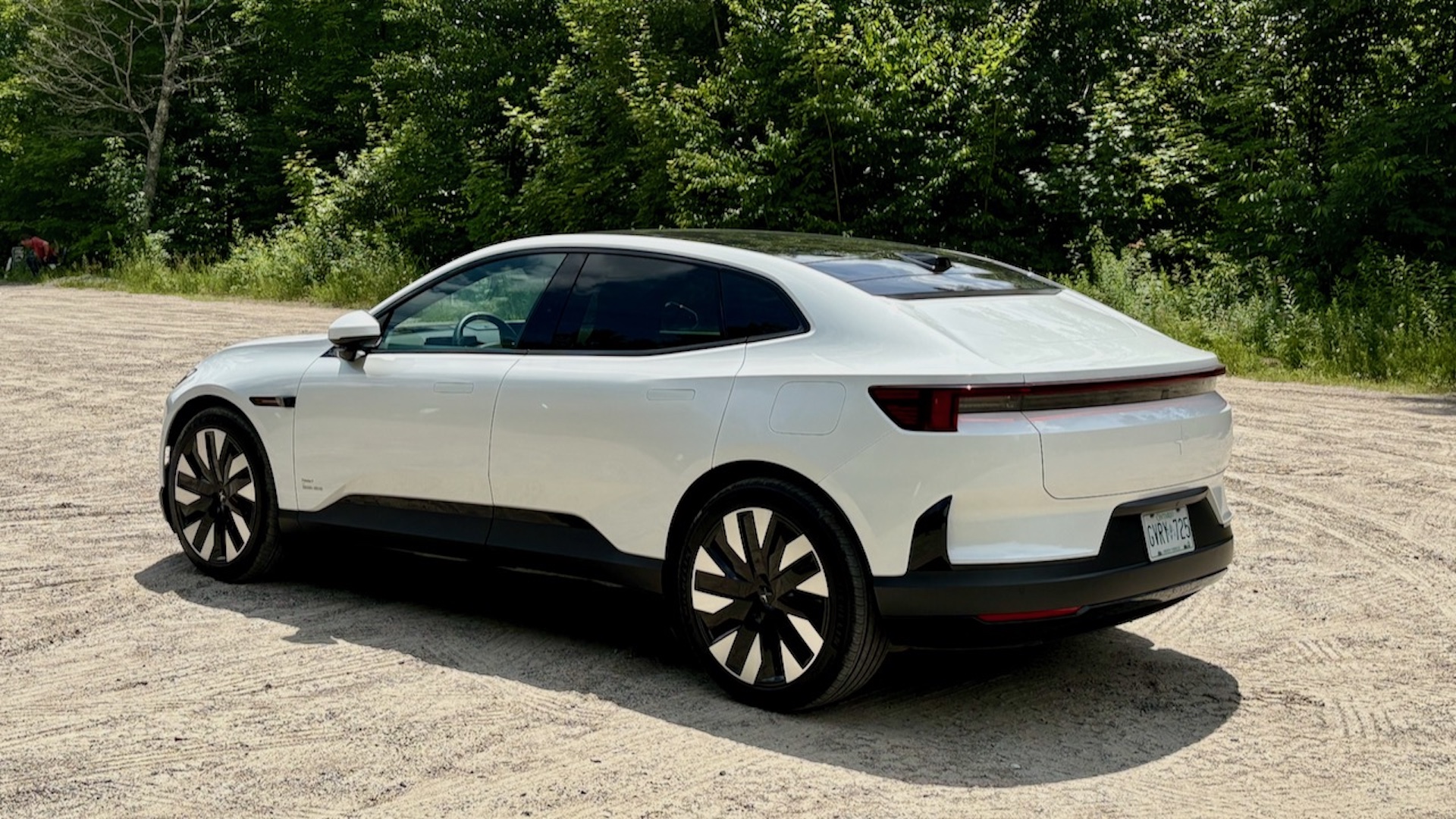
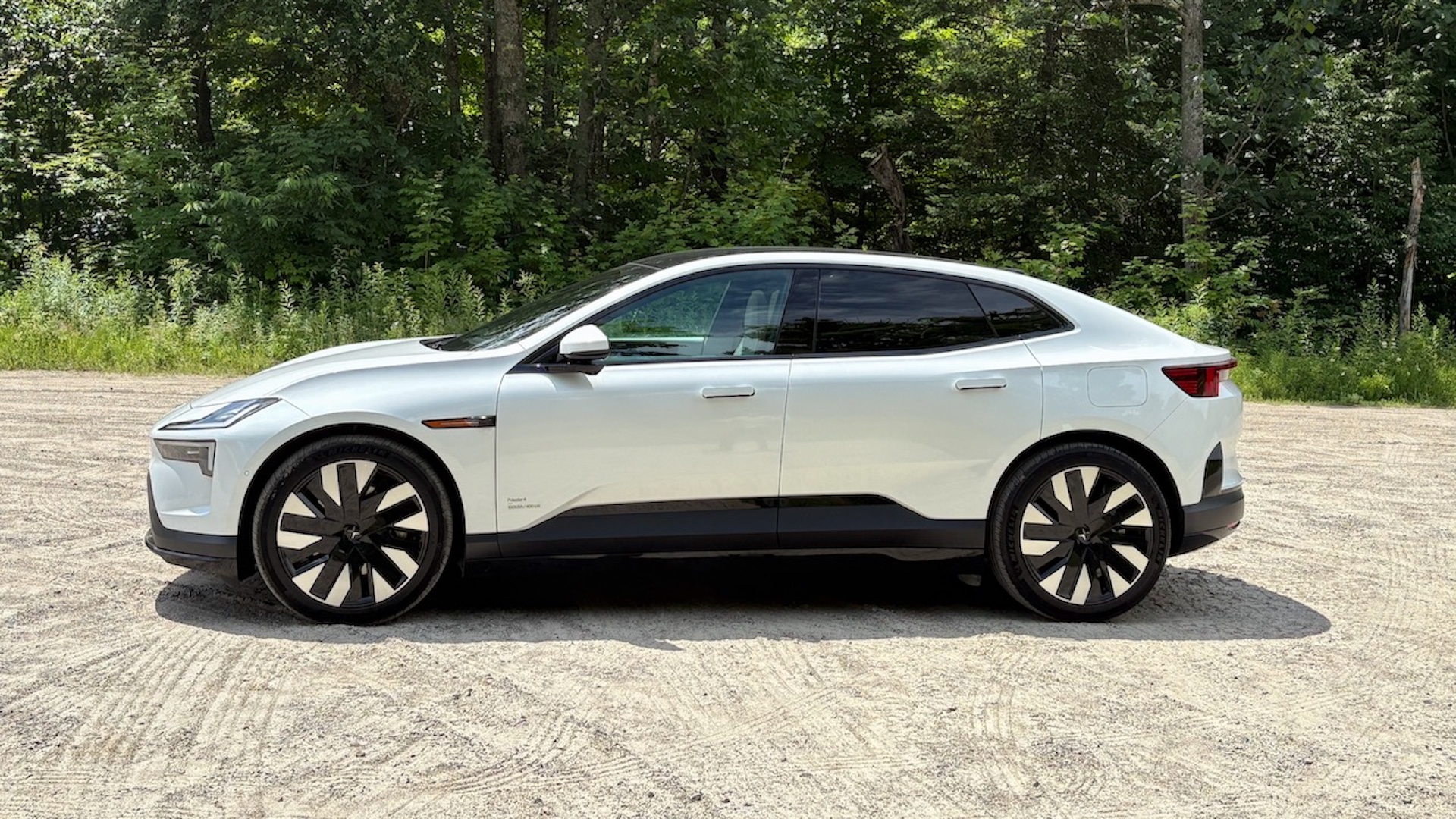
Confused? That’s how I came away from the 4 on a second drive of it, puzzled by some choices made. Last year’s lap of Madrid followed this summer’s spin outside Montreal, with the only real change coming in the steering-wheel controls. A 102-kWh battery pack still powers it and comes with a choice of single-motor rear-wheel drive or dual-motor all-wheel drive. Its zero-to-60 times of 6.9 and 3.7 seconds, in single- and dual-motor form, plant it squarely in territory already occupied by the likes of the Genesis GV60 and Ford Mustang Mach-E.
It sports an attractive fastback shape, with LED headlights that pickaxe across the front corners, sucked-in side panels that slim it out, and a band of LED taillights strapped across the rear. Inside, it drapes ambient lighting over a stripped-down cockpit with a 15.4-inch tablet-style screen and little else in the way of distraction. The ambient lighting takes its cues from the solar system, Polestar explains. I haven’t been to most of it so I’ll just take their word for it.
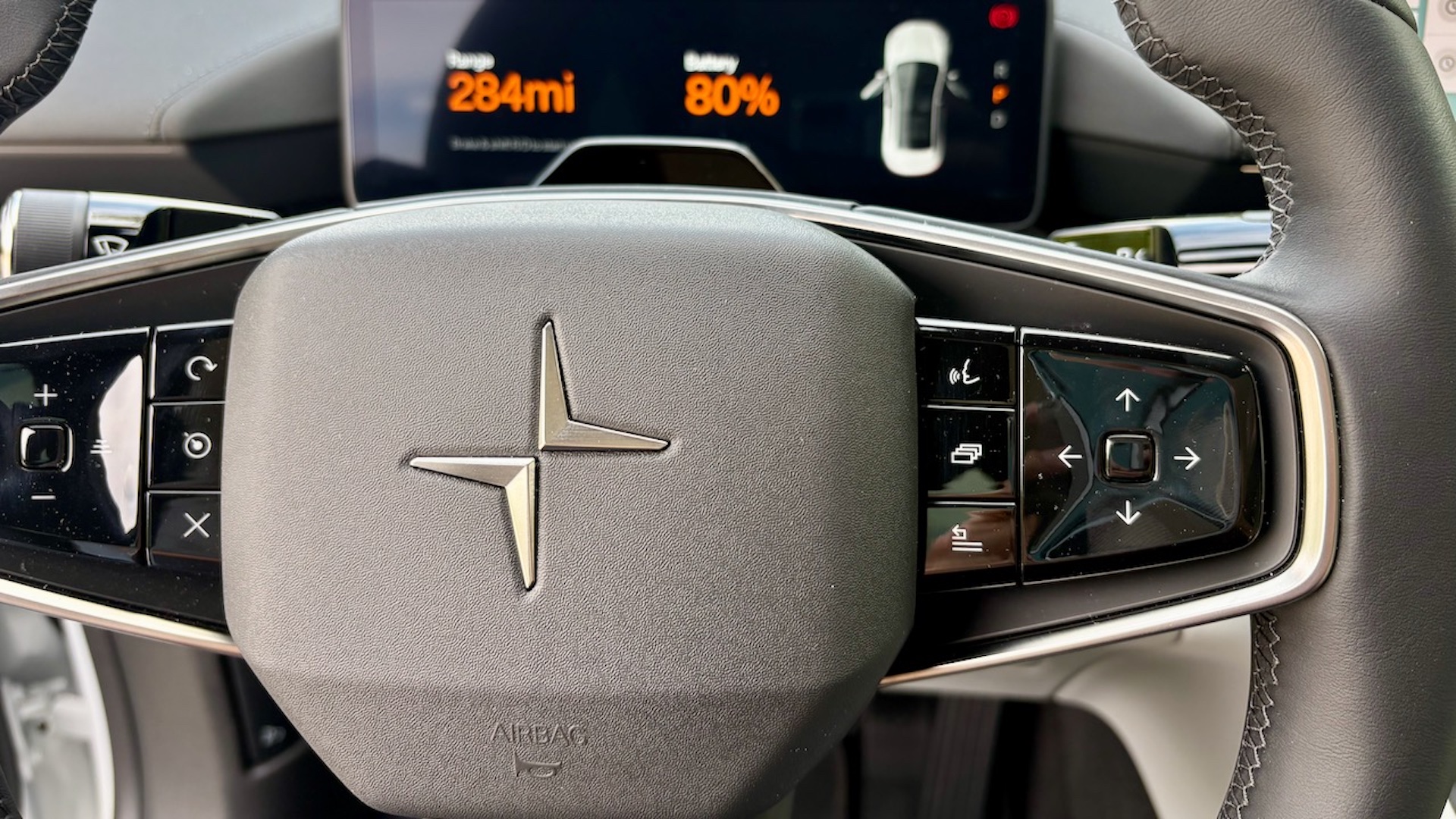
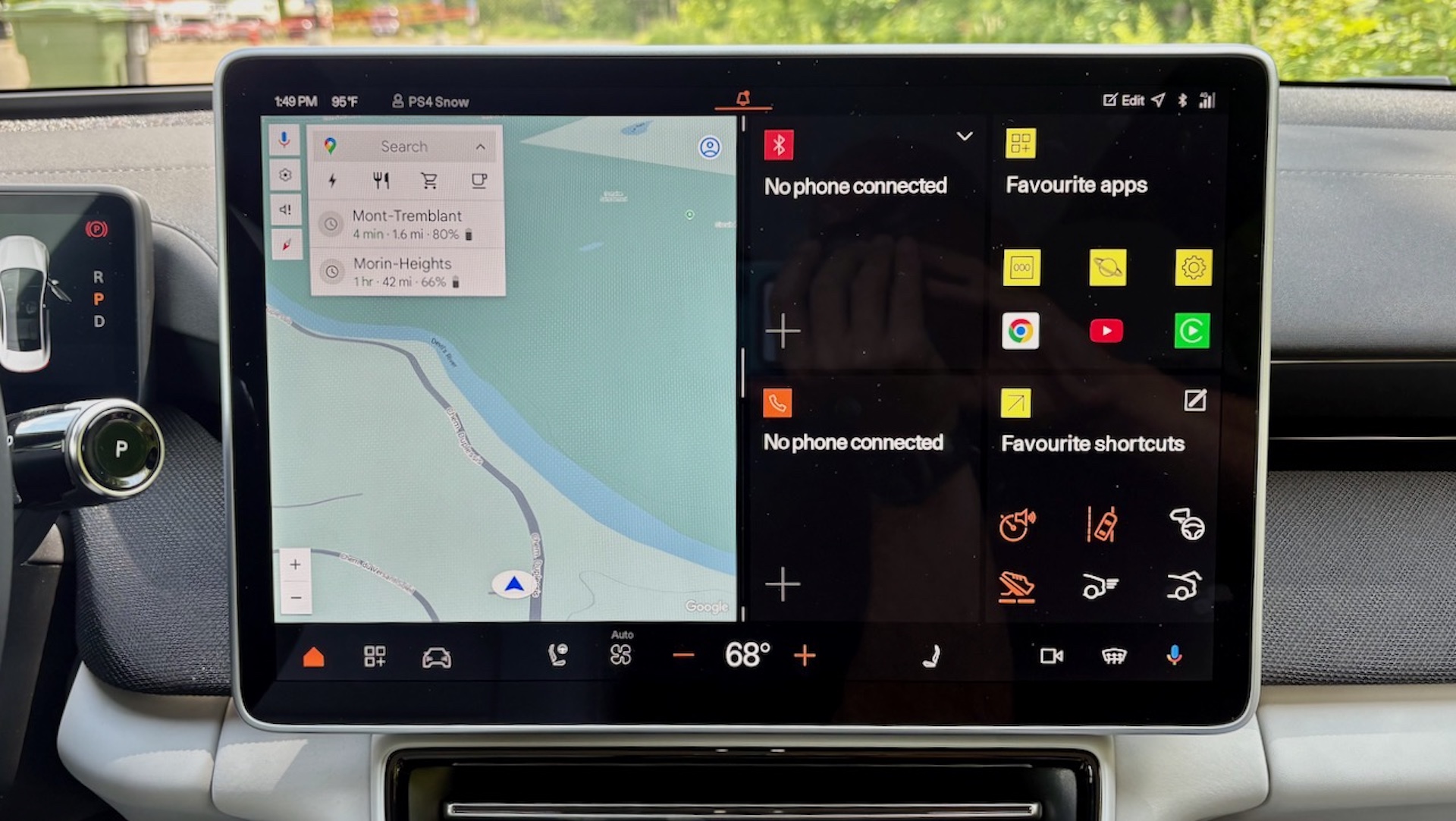
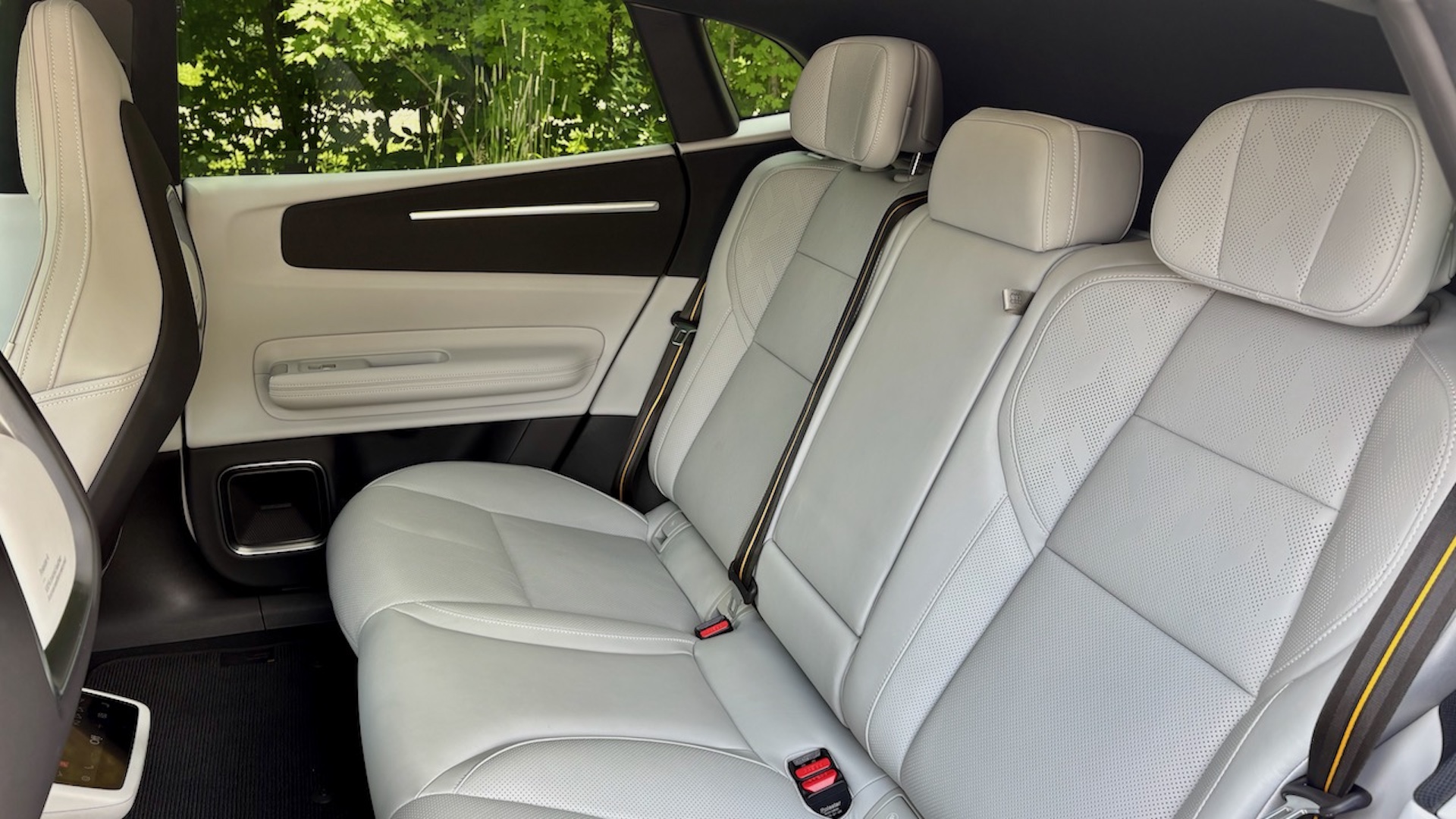
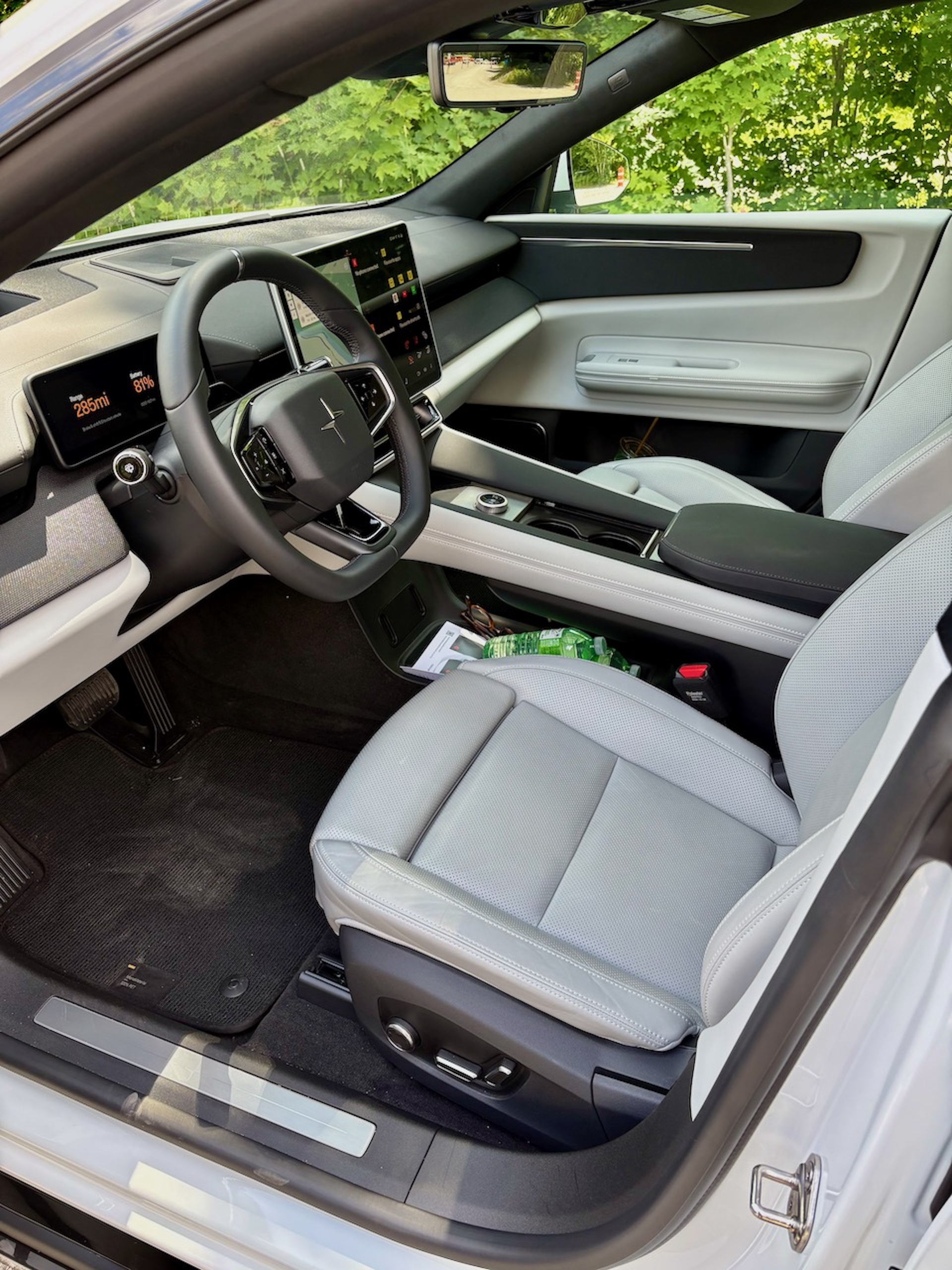
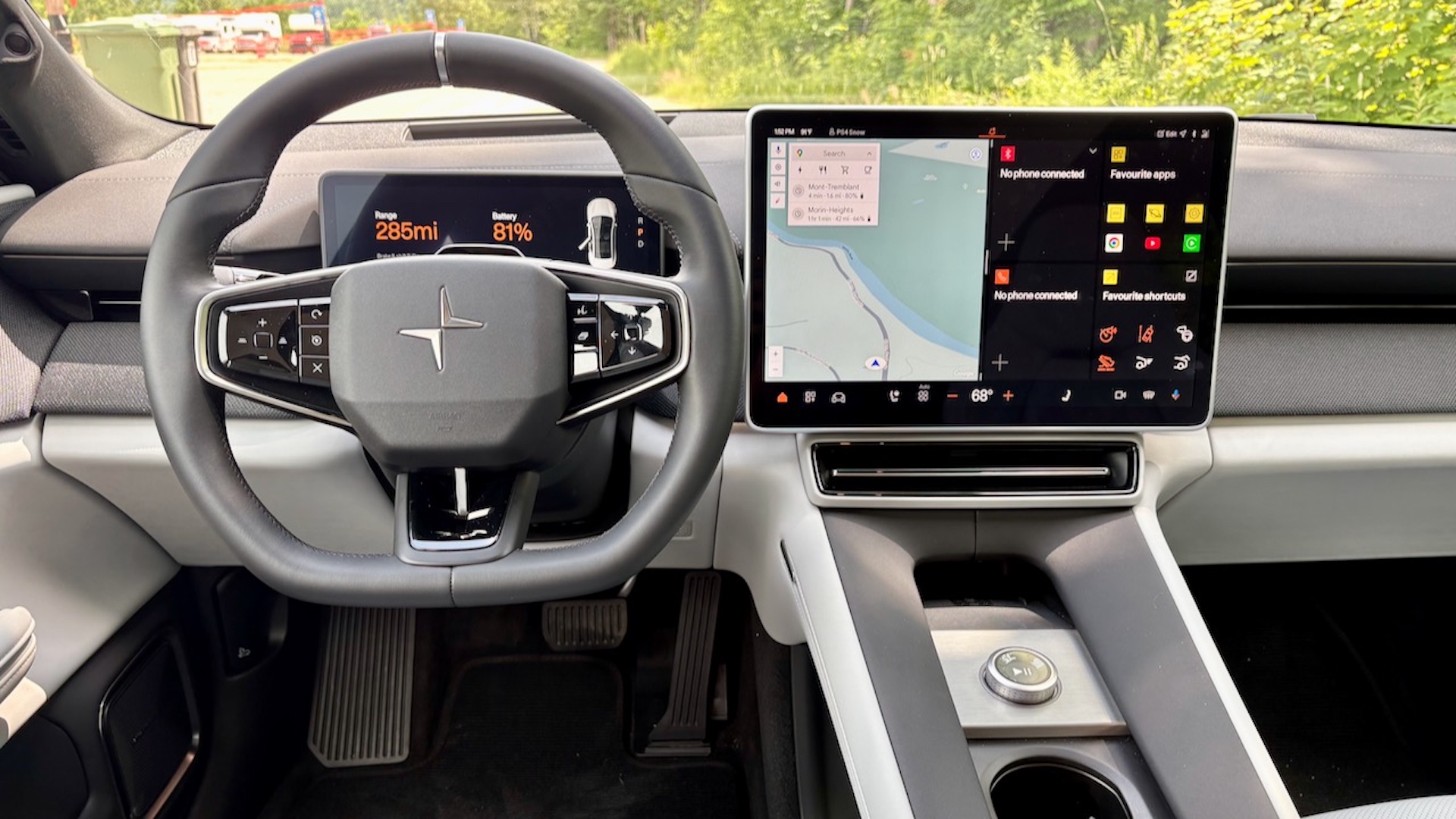
The cabin poses some real hurdles, even for those of us who spend hours every day trolling the internet from our iPads and Android tablets. Polestar nests too many of the 4’s functions on screen: the steering wheel, head-up display, and other functions have to be sorted with taps and swipes. The uncluttered look borders on austere, but that’s less a concern than the actual functionality delivered through the Google-based interface. It requires too much hands-off-wheel time. It’s a distraction for an otherwise cozy cabin, where the 4’s front seats meet the highest Volvo standard, and rear-seat space measures up against rival SUVs.
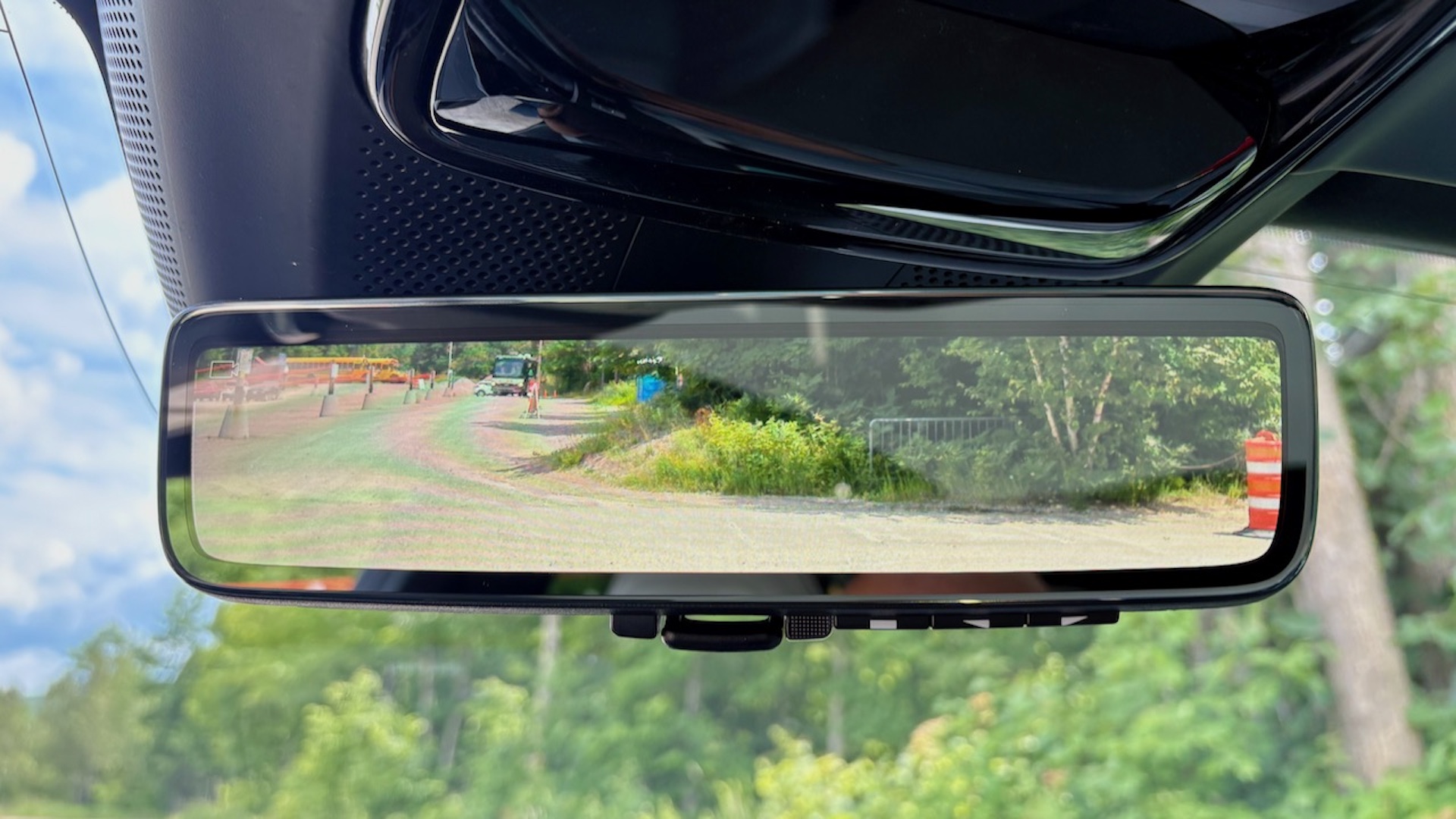
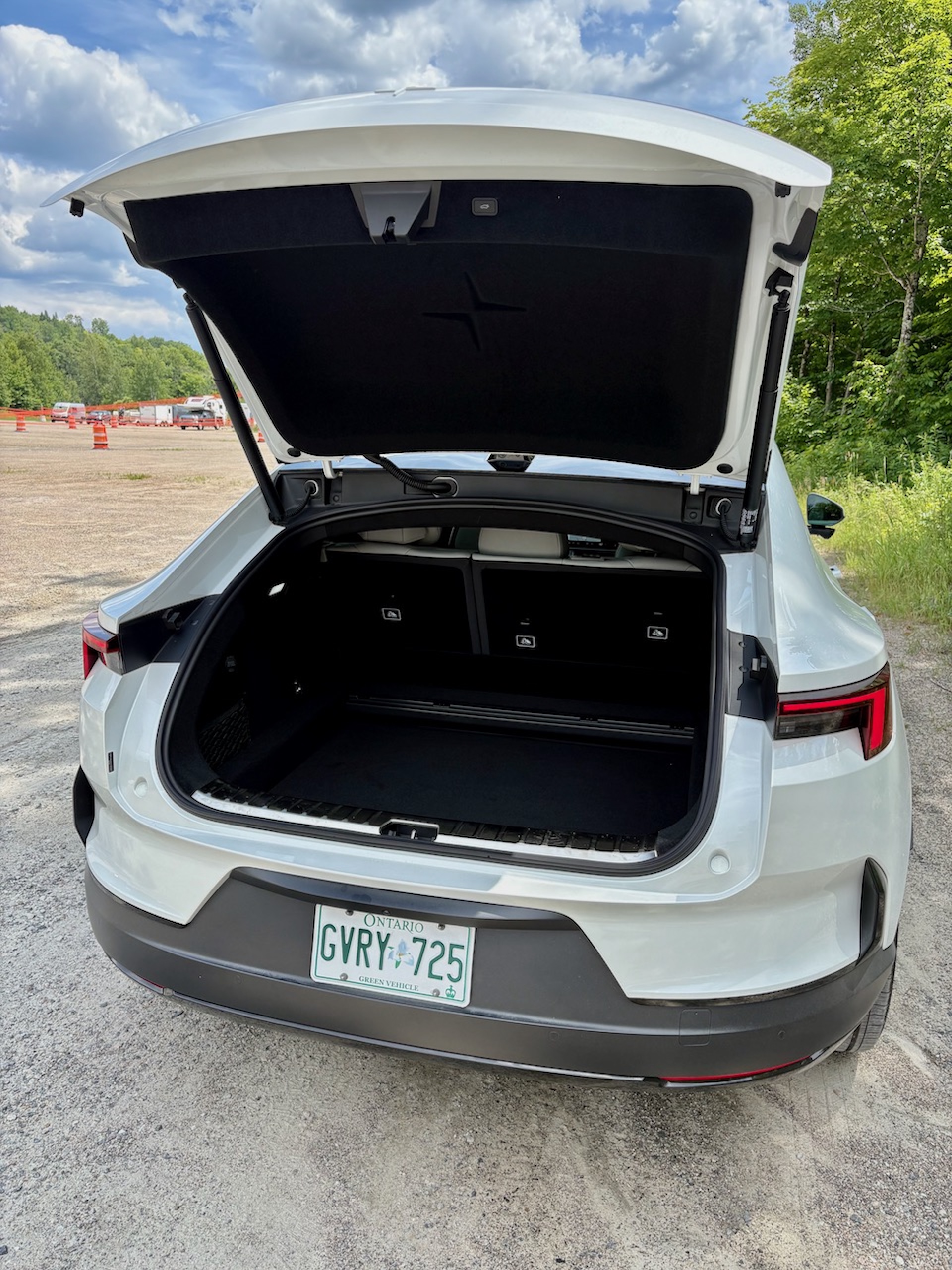
The calling card for the 4 lies in that backseat space because, remember, there’s no rear window. Where a glass hatchback could be fitted, Polestar extends the panoramic roof and raises the decklid to eliminate most of the usual rear glass. A high-definition camera takes its place and pumps its information into the rearview mirror. Polestar claims this setup does a better job of seeing backward than a driver through glass, and that the blanked-off rear end boosts rear headroom. I’m dubious of both claims. At the very least, drivers with any sort of vision aids will find the rearview mirror maddening, with the constant shift from analog real-world vision to a too-close simulation of what’s behind.
Stick with the single-motor 4, and the driving experience hits pleasant midtones without the thrilling highs. It’s quick enough, but the 20-inch wheels numb the steering, and the rear suspension has been tuned for U.S. roads with more compliance than the cars I drove last year. For another $6,500, the dual-motor car surges into true performance-car territory, with terrific acceleration that flings it ahead of logging trucks and decrepit Chevy hatchbacks without prejudice. It also drops the EPA-rated driving range from 310 to 270 miles.
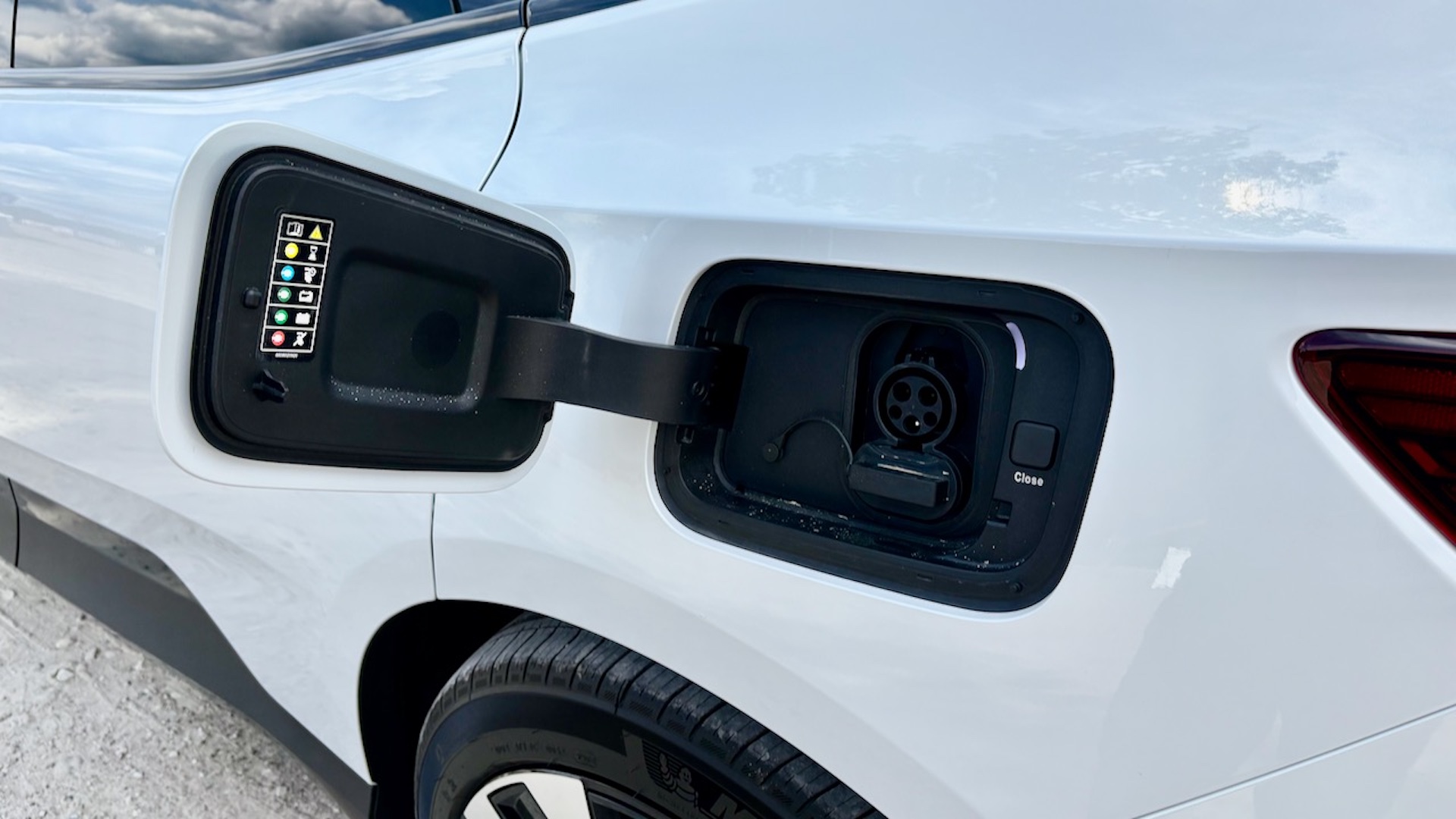
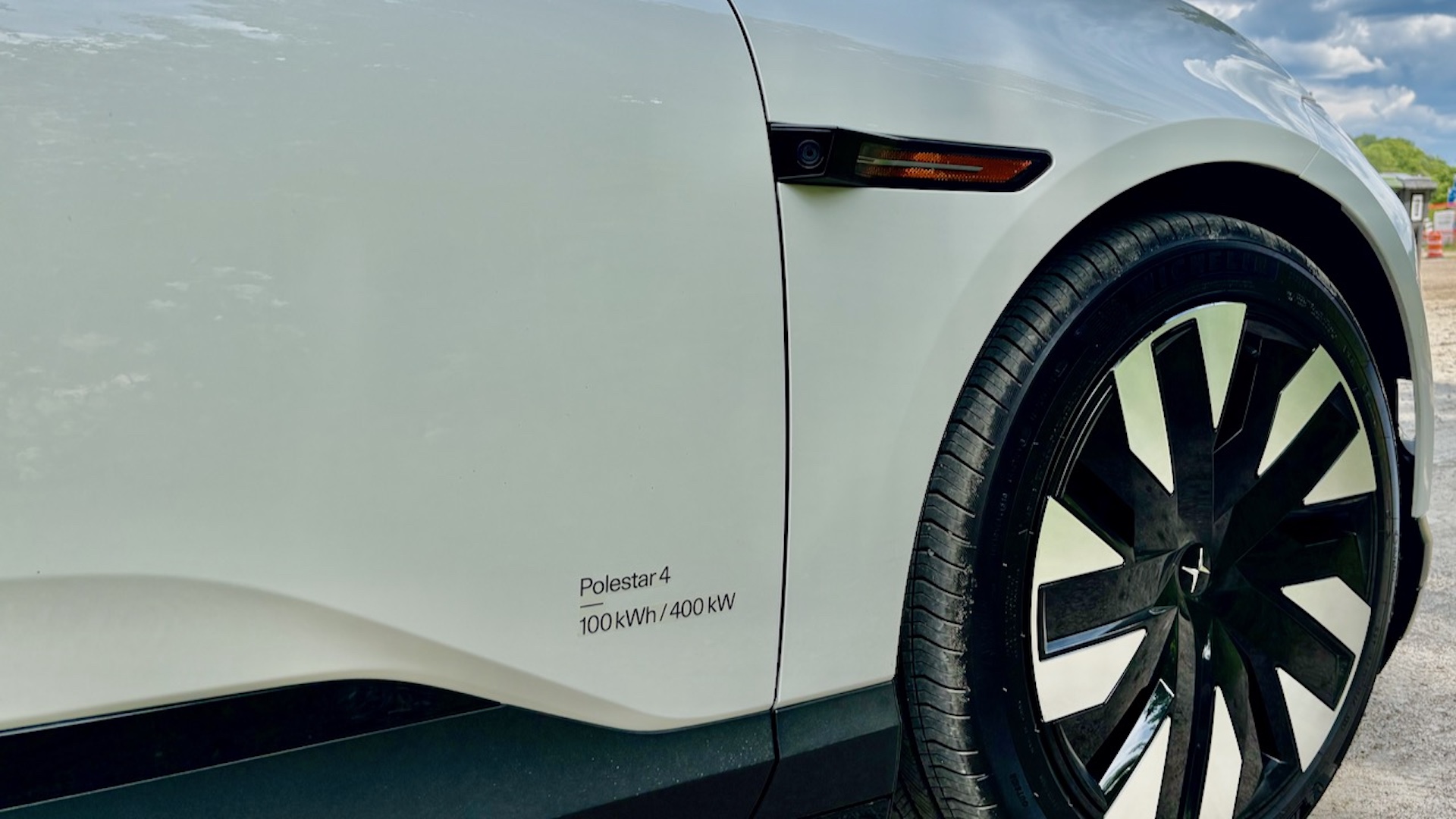
The 4 will be Polestar’s volume car, though it’s made in South Korea and subject to today’s tariffs, whatever those might be. With 400-volt DC charging that can refill it from 10-80% in about half an hour and a one-pedal drive mode, the $57,800 Polestar 4 also comes with a surround-view camera system, adaptive cruise control, a power tailgate, and power front seats. A Pro pack adds gold-striped seatbelts and 21-inch wheels, and a Plus pack tops it off with 12-way power front seats, heated and reclining rear seats, and a Harmon Kardon sound system. A Performance pack on the $64,300 dual-motor car stiffens the suspension (more to come: it’s also being reworked for the U.S., but I haven’t yet driven it), swaps in summer tires on 22-inch wheels, and Brembo brakes with gold-painted calipers.
On the hands-free-driving front, Polestar sells a system with 14 cameras, a radar sensor, and 12 lidar sensors. It’s a simple Level 2 system that Polestar promises will one day offer upgraded capability through an over-the-air update.
As a relatively new brand, Polestar doesn’t have a wealth of heritage to hold it back or to help boost its profile. It has to grab attention with both big ideas and trick cues. With the 4, it’s gambled on attention-getting design cues that blur its essential goodness. Whether or not those big gambles have paid off, Polestar isn’t making any apologies. It’s set a course for quirky styling here, and from what we can tell, there’s no looking back.
Polestar provided The Drive with travel, accommodations, and access to the vehicle for the purpose of writing this review.
| 2026 Polestar 4 | Single-Motor Specs | Dual-Motor Specs |
|---|---|---|
| Base Price | $57,800 | $64,300 |
| Powertrain | single-motor EV | rear-wheel drive | dual-motor EV | all-wheel drive |
| Horsepower | 272 | 544 |
| Torque | 253 lb-ft | 506 lb-ft |
| Seating Capacity | 5 | 5 |
| Curb Weight | 4,916 pounds | 5,192 pounds |
| Cargo Volume | 18.6 cubic feet behind second row | 54.2 cubic feet behind first row | — |
| EPA Range | up to 310 miles | up to 270 miles |
| Score | 7/10 | — |

Quick Take
The Polestar 4 pairs a brash drivetrain with some look-at-me details and controls that muss up its otherwise perfect coif.
Got a tip? Email us at tips@thedrive.com
The post 2026 Polestar 4 First Drive Review: Betting on Design All the Way appeared first on The Drive.
Posts Widget
- 1

- 2
- 3
- 4



Copyright © 2025 · ORUC GLOBAL · All rights reserved


