
Tesla Didn’t Make Enough Charging Adapters, So This Company Stepped In To Get Other Cars on NACS
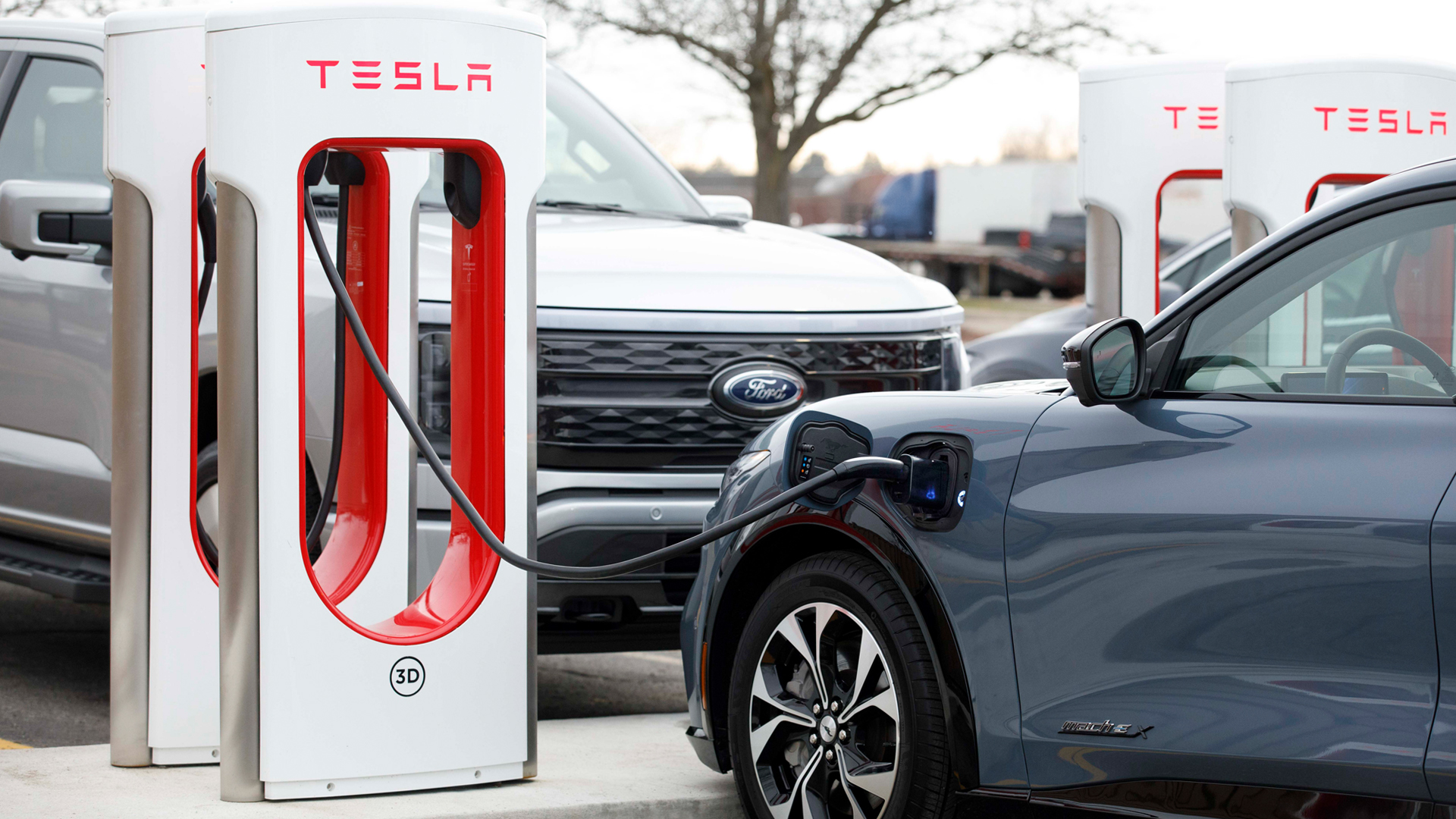
Tesla‘s vast network of EV chargers is one of its greatest achievements. For a long time, it was also one of the best reasons to buy a Tesla, since other electric cars couldn’t use its stations. Tesla opened its chargers to other brands in 2022, but did not immediately meet the demand for plug adapters. That left a gap for a rising aftermarket company, Lectron, to become an OEM supplier. It’s a heck of an example of being in the right place at the right time.
Exactly why Tesla didn’t mass-produce its own CCS to NACS power adapter at the quantities automakers needed when it first opened its charging network remains a mystery. A prevalent off-record rumor is that Tesla simply didn’t have the capacity to make them. Personally, I suspect the brand may have dragged its feet on adapters to slow the influx of non-Tesla owners using Tesla charging stations. Whatever the reason, it did create a lane for Lectron to rise from aftermarket outfit to OEM supplier.
Lectron, which had been selling EV-related home charging products since 2017, already had some momentum in the market when Tesla’s “NACS is open” announcement came a few years ago.
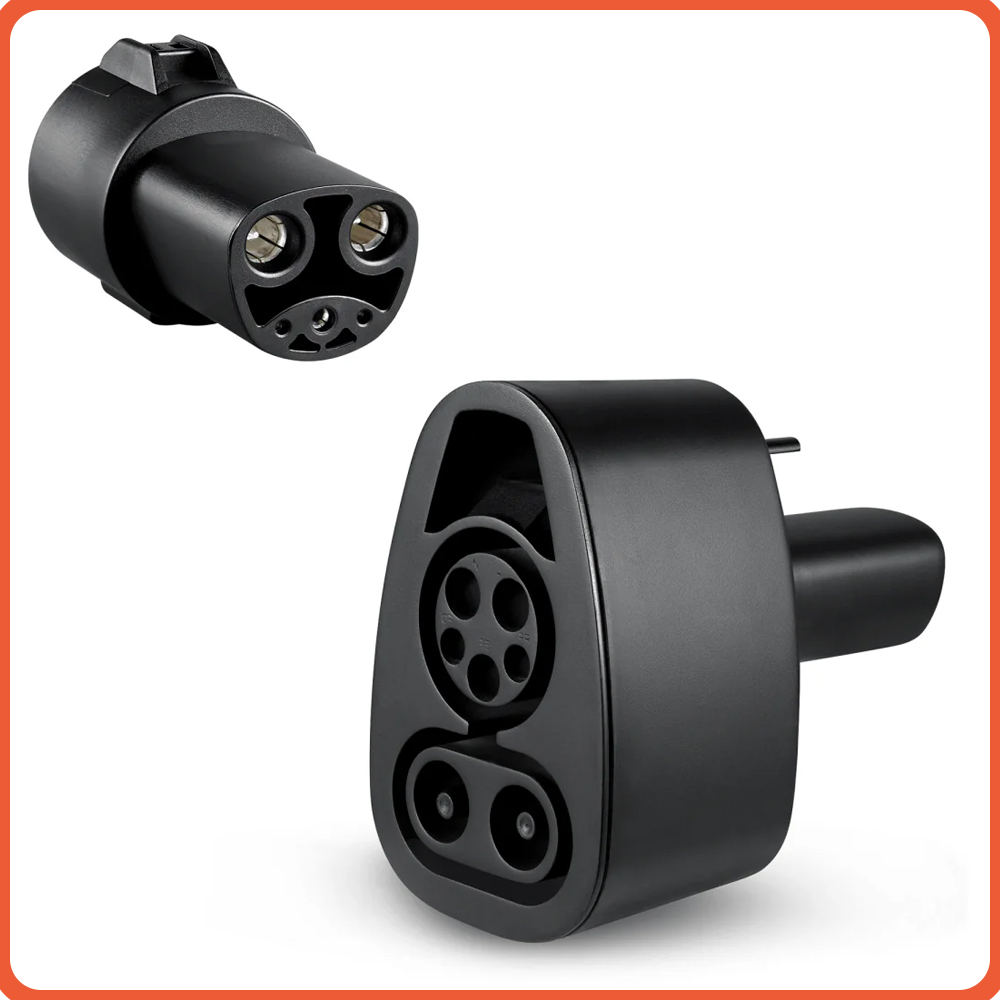
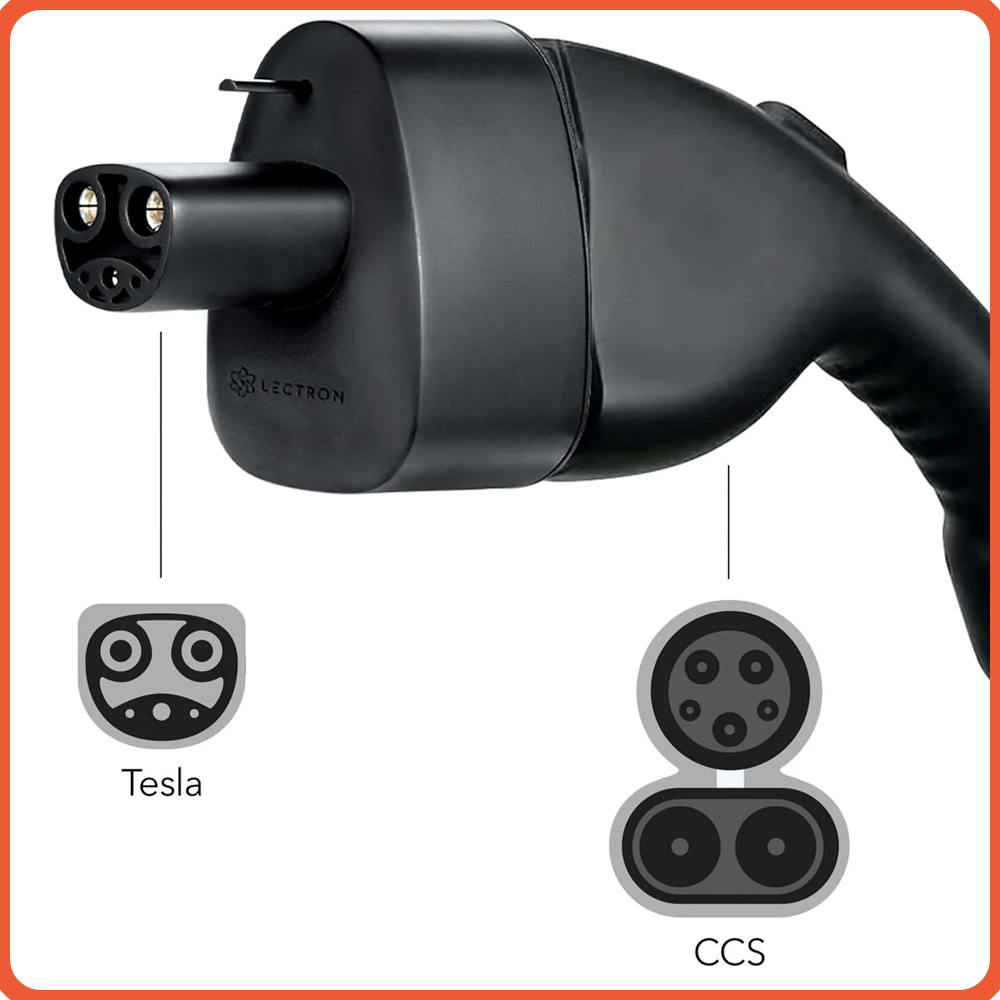
Ford, Mercedes-Benz, and GM all got on board with NACS charging, thanks in part to Lectron support. And more recently, VW, Audi, and Porsche are also using the company to build their OE charger adapters. We got in touch with Lectron’s CEO, Christopher Maiwald, to learn a little more about how that happened.
Maiwald told me that the company was able to get on OEMs’ radar organically, largely by virtue of having its products already stocked at The Home Depot, Amazon, Best Buy, and other such stores. He described the brand’s success as a combination of “a good product” and “happy coincidences.” But he also credited Lectron’s Chief Revenue Officer and Michigan-based B2B sales reps for leveraging Lectron’s manufacturing capabilities to evolve the company from consumer product to OEM supplier.
From an automaker’s perspective, outsourcing adapters to an established third-party company makes a lot of sense—it was more cost-effective to fine-tune Lectron’s already in-market adapters than to start from scratch. Plus, Lectron already had manufacturing underway when OEMs started exploring NACS adapters.
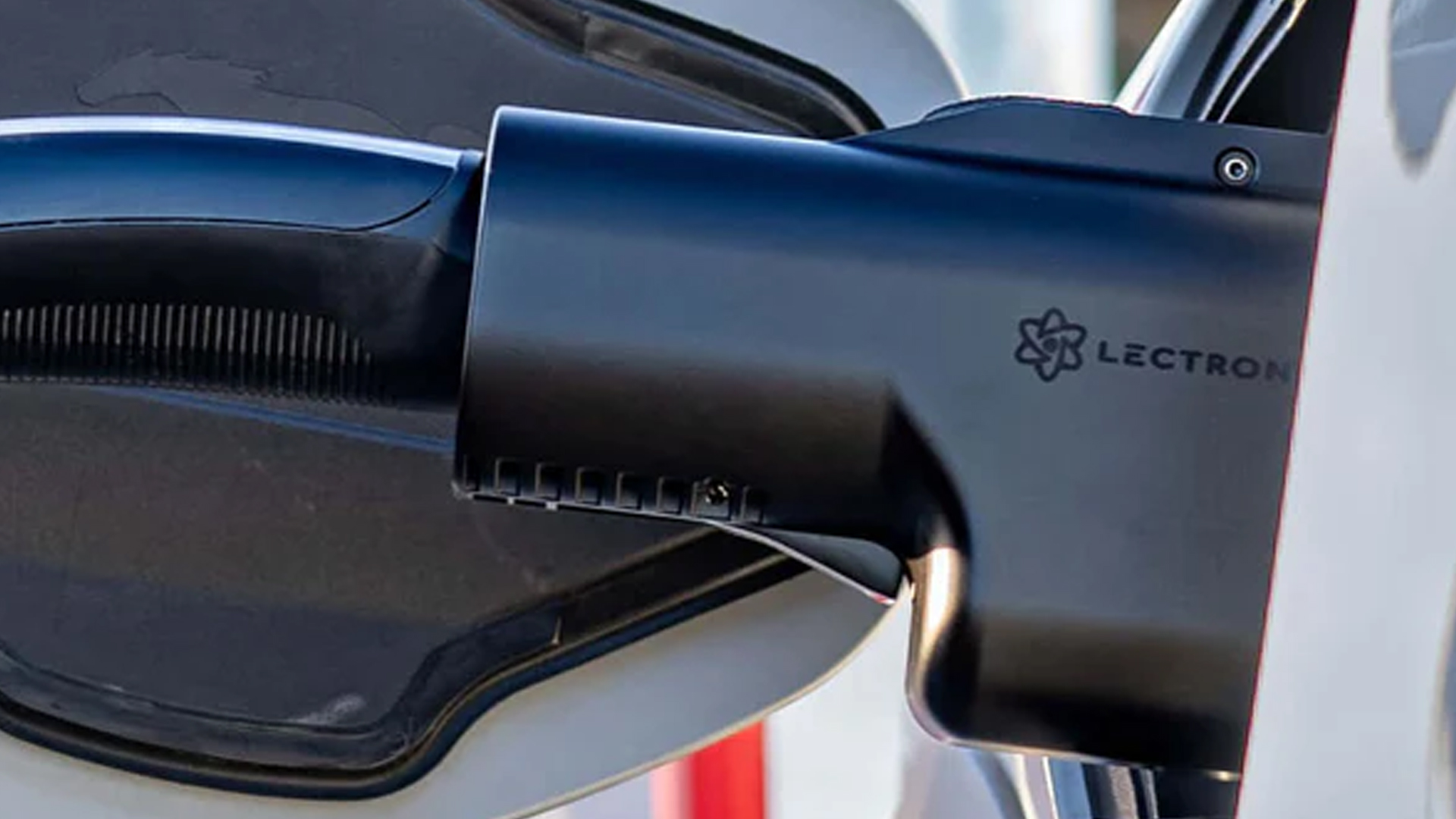
Lectron has reportedly shipped “almost 400,000” charger adapters directly to consumers, and Maiwald said that this B2C side of the business helped glean insight to optimize the product. “You get so much quick feedback. You iterate faster. You see what’s working. You learn a lot from customers,” he explained, while telling me that the company would keep selling its own products while doing white-label chargers for automakers. “So while the direct-to-consumer business is not as big as the B2B and the OEM business, I like it because we get to speak to our customers directly, which is always a lot of fun.”
Working with OEMs has helped Lectron’s product development and testing capabilities snowball. I asked Maiwald if different car companies had significantly different protocols or problems to solve in regards to charging adapters, and the short answer was no—I guess there’s not that much variation in moving power from a CCS-shaped plug to a NACS one. But without naming any specific brands, Maiwald shared that the main differences he sees are in validation requirements, like durability ratings. “Some customers [as in, car companies] send us, for example, sand from certain regions of the Earth that is particularly fine.” Lectron then takes that and adds it to its testing regimen, ensuring its adapter can operate wherever that sand might be blowing around.
Unfortunately, Mr. Maiwald couldn’t share anything about what it’s like to work with Tesla. “There’s a policy not to talk about customer relationships in this regard,” he said. Elon’s electric car company famously shirks media inquiries, too, so specifics on how Tesla really feels about aftermarket NACS adapters will remain a mystery.
At any rate, despite having no intention of moving its manufacturing from Asia (Maiwald declined to speak on tariffs and their influence on his business planning), Lectron’s CEO seemed confident that the company had plenty of work ahead of it. And he didn’t seem to think OEMs were going to start making their own charger adapters in their own factories soon, either.
“Everything is easy if you don’t do it well,” he told me. Before I could ask what he meant, he elaborated with: “The inverse is also true. If you do something in the top 0.1%, even the tiniest differences are incrementally so much harder.” He was saying this to explain why OEMs use his company to develop and assemble adapters rather than build their own. It’s essentially the same logic that created the many supplier-to-OEM relationships that exist in the deeply spiderwebbed automotive industry.
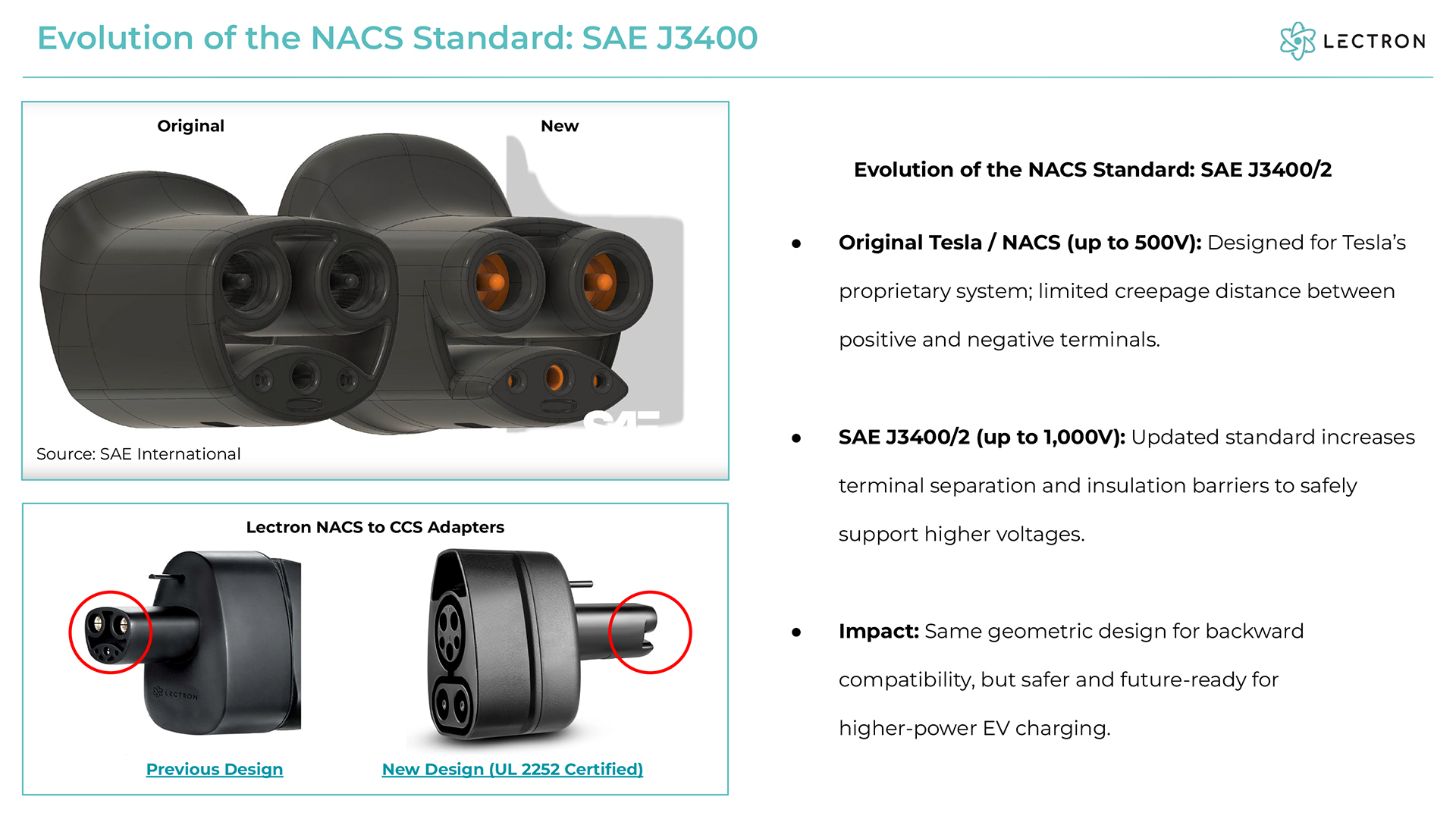
Specialization allows smaller firms to focus on components that are already heavily baselined (wheels, sensors, shocks, etc.) so OEMs can keep making whole cars. But that doesn’t mean there’s no room for innovation. “With NACS becoming a public standard, SAE J3400, it’s developed a little bit,” Maiwald said. Indeed, the proprietary Tesla NACS charger style now has some industry-wide standardization and is called J3400. So Lectron’s now optimizing its products based on the specifics surrounding J3400. Beyond that, Maiwald indicated that his company was looking to optimize AC chargers and AC wall boxes. He’s got his eye on portable chargers in particular as a near-future space for Lectron to develop.
Robby DeGraff, Product and Consumer Insights Manager at AutoPacific, shared some context on the state of EV charging and Tesla’s critical role in it. “Though charging an EV at home is generally the best practice, there are still plenty of current and prospective owners that do intend to use public charging infrastructure for their charging needs,” he told me over email. “In our most recent 2025 Future Attribute Demand Study, which surveyed nearly 19,000 near car buyers, a little over a third (34%) of those who we identify as ‘EV Acceptors’ or those who either have purchased or soon intend to purchase an EV, stated they are concerned about finding a reliable place to charge on the go. Further woes amongst these ‘EV Acceptors’ also include worries about charging times (44%), the cost of installing a charger at home (33%), and ensuring where they plug in to charge publicly is indeed safe (32%).”
AutoPacific hasn’t studied adapter usage yet (it plans to soon), but had this to add about Tesla’s network specifically: “While no public charging station is 100% perfect, Tesla’s network of Superchargers addresses a lot of these hesitations and and concerns amongst consumers who either own or plan to buy an EV. Ensuring that an EV has the ability to charge at one of Tesla’s usually seamless Superchargers via an adaptor, is a major step in the right direction to greater EV adoption.”
Lectron is not the only game in town making EV charging adapters, but its products have become OEM accessories for some of the biggest automakers doing business in America. It’s a neat example of a company that many people, even car enthusiasts, might not have heard of, but is nevertheless a pretty important player in the way we move around.
Got a tip? Send us a note at tips@thedrive.com.
The post Tesla Didn’t Make Enough Charging Adapters, So This Company Stepped In To Get Other Cars on NACS appeared first on The Drive.
Posts Widget
- 1

- 2
- 3
- 4





Copyright © 2025 · ORUC GLOBAL · All rights reserved


